The Future is Now: How Technology is Reshaping Our World

Introduction: Embracing the Technological Revolution
Technology has always been a driving force behind human progress, but the pace of change in recent years has been unprecedented. From artificial intelligence and robotics to quantum computing and biotechnology, the innovations shaping our world are transforming how we live, work, and interact. Technology is no longer just a tool—it has become an integral part of society, influencing every aspect of our daily lives. Understanding this evolution is essential for anyone looking to navigate the complexities of the modern era.
The Rise of Artificial Intelligence
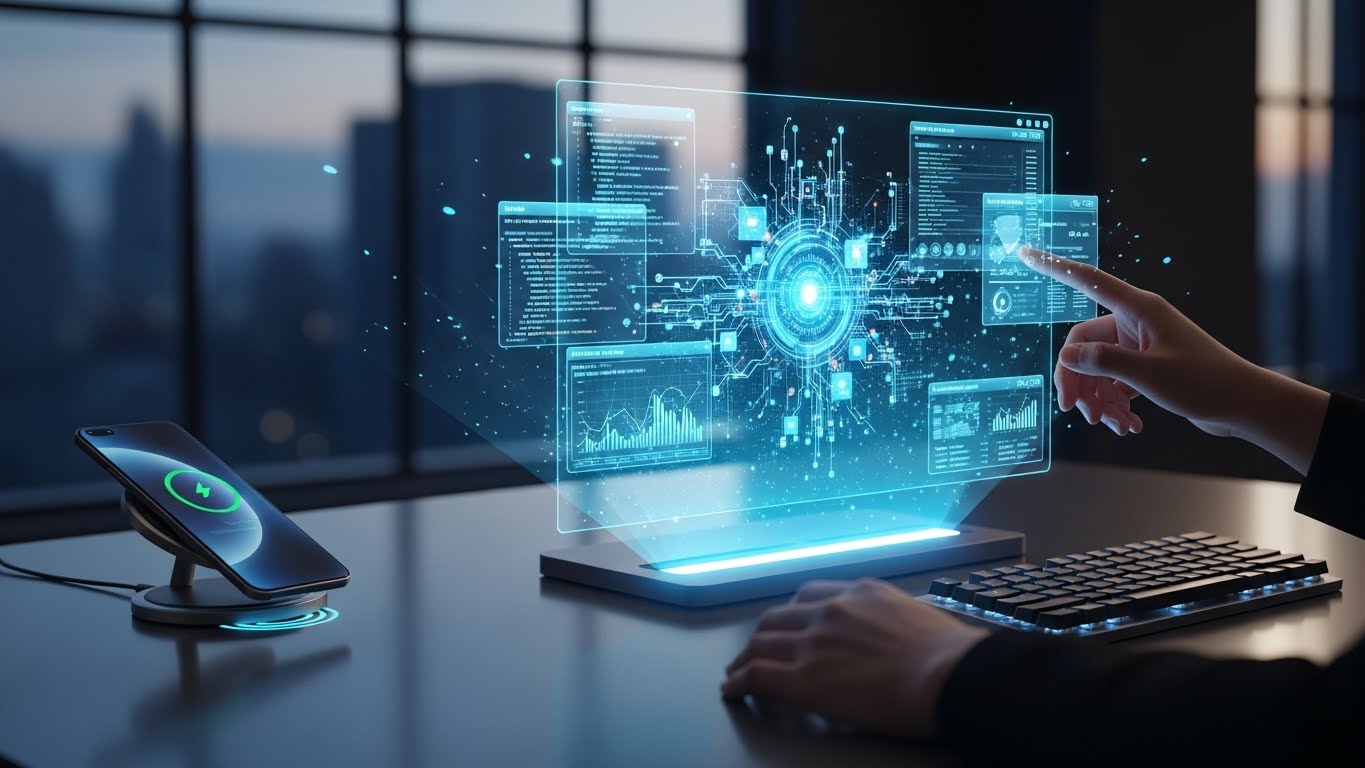
Artificial intelligence, or AI, has become one of the most significant technological advancements of the 21st century. AI systems can process vast amounts of data, identify patterns, and make decisions with remarkable speed and accuracy. Applications of AI range from voice assistants and recommendation engines to autonomous vehicles and medical diagnostics. By automating routine tasks and enhancing human decision-making, AI has the potential to increase efficiency and productivity across industries. However, it also raises important ethical and societal questions, including privacy concerns, job displacement, and the need for responsible AI governance.
The Impact of Robotics and Automation
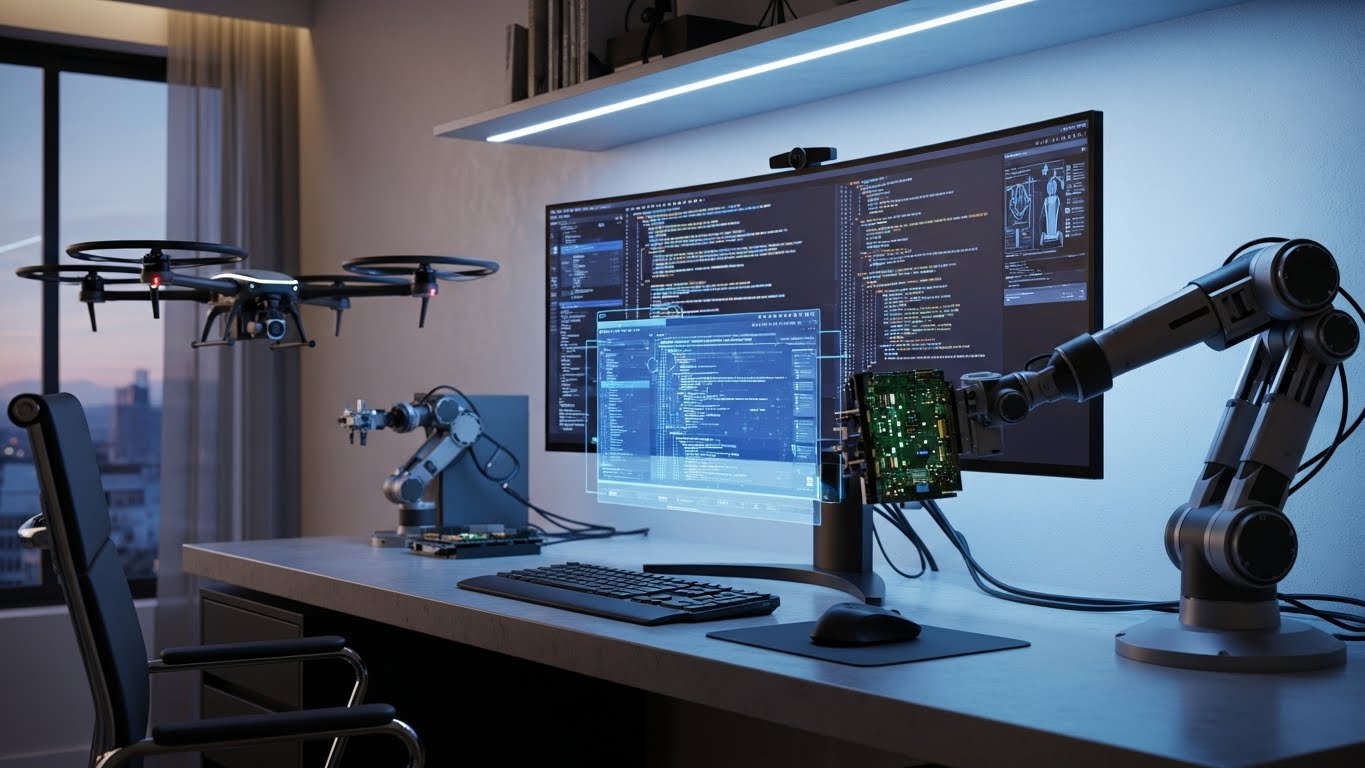
Robotics and automation are transforming industries around the world. Manufacturing, logistics, healthcare, and agriculture have all benefited from automated systems that improve efficiency and reduce errors. Robots can perform repetitive tasks with precision and work in environments that are hazardous for humans. Beyond industrial applications, robotics is also making strides in personal and service sectors. For example, robotic assistants in healthcare can aid in surgeries, monitor patients, and provide support for the elderly. The integration of robotics into daily life is changing the way humans work and interact with machines.
Advancements in Computing Power
The evolution of computing power has been a catalyst for many technological breakthroughs. Modern processors, high-performance computing, and cloud infrastructure have enabled the development of applications that were previously unimaginable. Quantum computing is poised to revolutionize problem-solving by tackling complex computations far beyond the capability of classical computers. These advancements are accelerating research in fields such as climate modeling, drug discovery, and cryptography, opening new frontiers for innovation.
The Era of Connectivity: 5G and Beyond
Connectivity has become the backbone of modern technology. The rollout of 5G networks is enhancing internet speed, reducing latency, and enabling real-time communication between devices. This technology supports the growth of the Internet of Things (IoT), where smart devices interact seamlessly to improve efficiency and convenience. From smart homes to connected cities, enhanced connectivity is transforming how we live, work, and manage resources. The future promises even faster networks and greater integration, creating opportunities for innovation that were once confined to science fiction.
Virtual Reality and Augmented Reality
Virtual reality (VR) and augmented reality (AR) are redefining human experiences in both entertainment and professional sectors. VR immerses users in entirely digital environments, providing new ways to learn, play, and explore. AR overlays digital information onto the real world, enhancing interactions with our surroundings. These technologies are being applied in education, healthcare, design, and tourism, offering innovative methods for training, collaboration, and engagement. As hardware becomes more accessible and software more sophisticated, VR and AR will continue to expand their influence on daily life.
Biotechnology and Medical Innovations
Biotechnology has transformed medicine and healthcare, enabling breakthroughs in treatment, diagnostics, and disease prevention. Genetic engineering, personalized medicine, and advanced imaging techniques are improving outcomes and enhancing quality of life. Innovations such as CRISPR technology allow scientists to modify genes with unprecedented precision, offering potential cures for genetic disorders. Additionally, wearable devices and health monitoring apps provide real-time data, empowering individuals to take control of their well-being. The intersection of technology and biology is creating a future where healthcare is more proactive, personalized, and accessible.
Sustainable Technology and Green Innovation
As global challenges like climate change and resource depletion grow, technology is playing a vital role in sustainability. Renewable energy systems, energy-efficient devices, smart grids, and waste management innovations are helping reduce environmental impact. Electric vehicles and battery advancements are reshaping transportation, while green building technologies enhance energy efficiency in urban environments. Technology not only drives economic growth but also provides solutions to some of the planet’s most pressing problems, emphasizing the need for responsible innovation.
The Digital Economy and Fintech
The digital economy has transformed how people transact, invest, and manage money. Financial technology, or fintech, leverages technology to improve financial services through mobile banking, digital payments, blockchain, and cryptocurrency. These innovations have increased accessibility, efficiency, and security, particularly in regions with limited traditional banking infrastructure. Fintech is democratizing financial systems, empowering individuals and businesses to participate in global markets and make informed economic decisions.
Cybersecurity and Data Privacy
As technology advances, the importance of cybersecurity and data privacy has never been greater. With vast amounts of personal, corporate, and governmental data stored online, protecting sensitive information is critical. Cyber threats, including hacking, phishing, and ransomware, pose serious risks to individuals and organizations. Technological solutions such as encryption, multi-factor authentication, and AI-driven threat detection are essential for safeguarding information. Promoting digital literacy and responsible data management practices is equally important to ensure a secure digital environment.
The Role of Education in a Tech-Driven World
Education is undergoing a transformation fueled by technology. E-learning platforms, interactive simulations, and virtual classrooms are making education more accessible and engaging. Technology enables personalized learning experiences, adaptive assessments, and global collaboration, allowing students to acquire skills relevant to the modern workforce. The integration of STEM (science, technology, engineering, and mathematics) education with practical technology applications ensures that future generations are prepared to navigate and contribute to an increasingly digital world.
Ethical Considerations and Responsible Innovation
While technology offers immense benefits, it also raises ethical considerations. Issues such as AI bias, surveillance, environmental impact, and digital inequality must be addressed responsibly. Innovators, policymakers, and society as a whole must balance progress with ethics, ensuring that technology serves humanity without causing harm. Responsible innovation involves transparency, accountability, and a commitment to using technology for the greater good.
Conclusion: Embracing the Opportunities of Technology
Technology is reshaping every aspect of human life, from communication and entertainment to healthcare and sustainability. Its potential is vast, offering opportunities to solve complex problems, enhance human experiences, and create a more connected world. However, with great power comes responsibility. As we embrace the technological revolution, it is essential to prioritize ethical practices, inclusivity, and long-term sustainability. By doing so, we can harness technology not just as a tool, but as a force for progress, innovation, and positive change.