Beyond the Screen: How Technology is Reshaping the Modern World
Introduction: The Power of the Digital Age
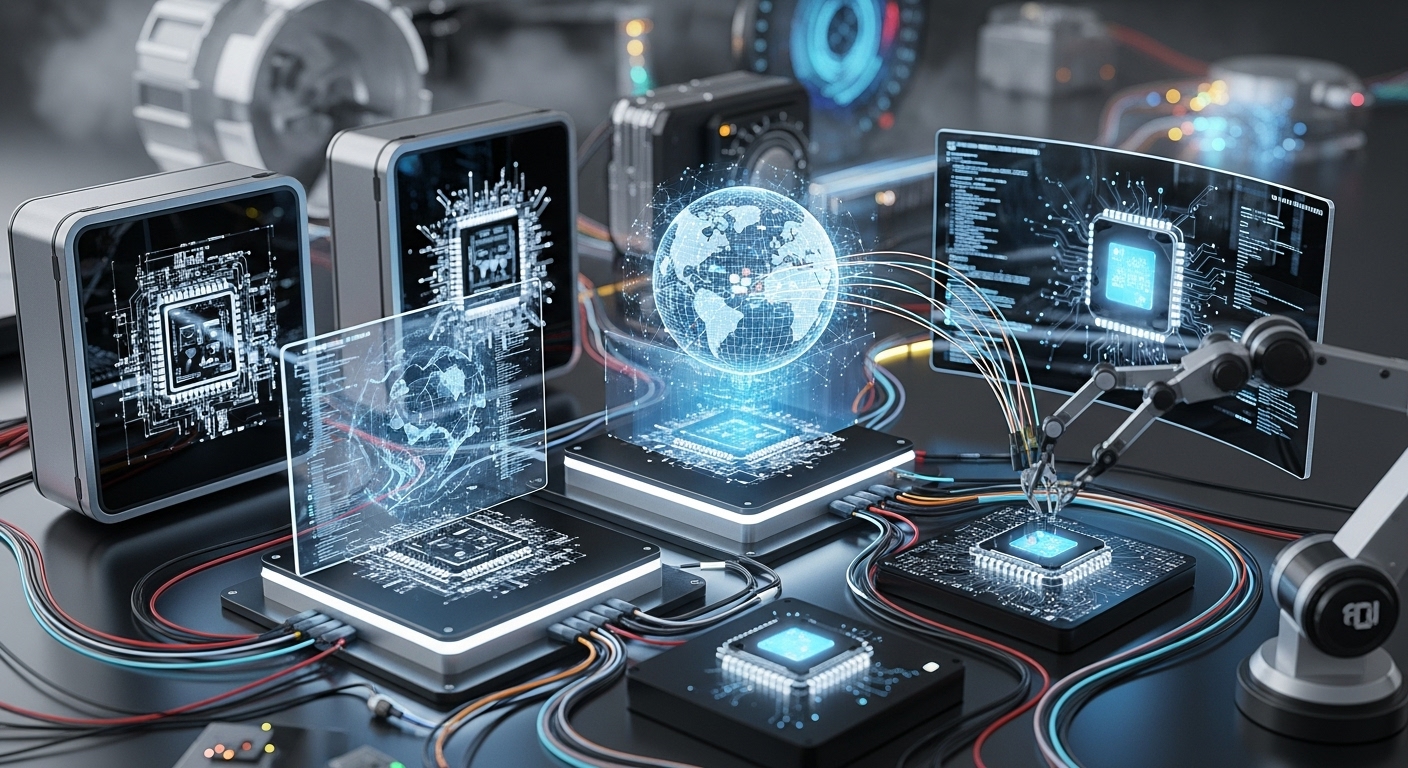
Technology has become the invisible thread weaving through every aspect of modern life. It shapes how we work, learn, communicate, and even think. From the smartphone that wakes us up to the artificial intelligence guiding our choices, technology has integrated so deeply into human life that it is impossible to imagine a world without it. What once took years of effort can now be done with a click or a command. The power of innovation has transformed every industry, reshaped global economies, and changed the way people connect. As the digital age continues to evolve, it is essential to understand how technology impacts the world and where it is leading us in the years to come.
The Evolution of Technology: From Past to Present
The journey of technology is as old as civilization itself. Early humans discovered fire and invented the wheel, marking the beginning of mechanical progress. The Industrial Revolution then introduced machines that multiplied human productivity. Later, the invention of electricity and the telephone brought new waves of transformation. But the real turning point came with the digital revolution in the twentieth century. Computers, the internet, and mobile communication changed everything. The shift from analog to digital systems brought speed, accuracy, and accessibility. What began as basic computing has evolved into advanced automation, artificial intelligence, and global connectivity. The evolution of technology has not only made life easier but also redefined how humanity interacts with the world.
Artificial Intelligence: The Brain of the Future
Artificial Intelligence, or AI, stands as one of the most revolutionary technologies of the twenty-first century. It gives machines the ability to learn, analyze, and make decisions much like the human brain. AI is no longer a futuristic dream—it is part of daily life. Virtual assistants understand our voices, streaming platforms recommend what to watch, and businesses use AI to analyze trends and predict outcomes. In medicine, AI detects diseases earlier than doctors in some cases, and in education, it personalizes learning experiences. However, with great power comes great responsibility. As AI grows more advanced, concerns arise about privacy, bias, and job automation. Balancing innovation with ethical principles will determine whether AI becomes a blessing or a burden for humanity.
The Internet of Things: A World Connected by Data
The Internet of Things, known as IoT, connects everyday objects to the internet, allowing them to collect and share data. From smart home devices to industrial sensors, IoT makes the physical world smarter and more efficient. Smart thermostats adjust temperature automatically, wearable devices track health metrics, and cars communicate with traffic systems to avoid congestion. In agriculture, IoT helps farmers monitor soil and weather conditions to maximize crop yield. In cities, IoT improves energy use and reduces waste, creating smarter and greener environments. But as everything becomes connected, data security and privacy must remain top priorities. The success of IoT depends on trust and the safe management of personal information.
5G Technology: The Speed Revolution
Connectivity is the backbone of technological progress, and 5G represents the next leap in digital communication. It delivers faster data transfer, lower latency, and greater capacity than previous generations of wireless networks. 5G enables technologies that require real-time responses, such as autonomous vehicles, remote surgeries, and virtual reality experiences. It also strengthens industrial automation and supports millions of connected devices simultaneously. For individuals, 5G means smoother streaming, quicker downloads, and enhanced online experiences. For businesses, it opens new opportunities for innovation and efficiency. However, developing a global 5G network requires significant investment and infrastructure upgrades. Once fully implemented, it will power the next generation of digital transformation.
Cloud Computing: The Invisible Infrastructure of the Internet
Cloud computing is the silent force driving modern digital services. It allows users to store, process, and access data remotely through the internet, removing the need for physical hardware. Businesses rely on cloud platforms to operate globally, enabling collaboration and remote work with ease. Cloud storage supports applications, websites, and databases, ensuring smooth performance and accessibility. It also serves as the foundation for artificial intelligence, big data, and other emerging technologies. For individuals, cloud services simplify data storage and backup. However, as more information moves online, data protection and privacy must be ensured. Cloud computing has made technology more flexible, scalable, and cost-effective, making it one of the most important innovations of the digital era.
Automation and Robotics: The Future of Work
Automation and robotics are reshaping industries across the world. Machines now perform tasks that were once time-consuming and labor-intensive. In manufacturing, robots assemble products with speed and precision. In logistics, automated systems handle inventory and streamline shipping. In healthcare, robotic tools assist surgeons with greater accuracy. Automation has increased efficiency but has also sparked debates about job displacement. The truth is, technology does not eliminate jobs—it changes them. The future workforce will require new skills such as data analysis, programming, and creativity. Automation allows humans to focus on problem-solving and innovation rather than repetitive work. The collaboration between humans and robots will define the next chapter of industrial growth.
Cybersecurity: The Guardian of the Digital World
In an era dominated by data, cybersecurity has become a global necessity. Every digital interaction—from banking to social networking—creates potential vulnerabilities. Cyberattacks can target individuals, corporations, and even governments, leading to data theft and financial loss. To protect against these threats, cybersecurity uses encryption, firewalls, and advanced algorithms. Artificial intelligence now plays a vital role in detecting and preventing attacks before they happen. However, technology alone cannot guarantee safety. Users must practice caution and awareness, ensuring that passwords, networks, and personal data remain secure. As digital transformation continues, cybersecurity will remain a critical pillar of trust and stability in the online world.
Big Data and Analytics: Turning Information into Insight
The modern world generates massive amounts of data every second. From social media activity to sensor readings, this data holds valuable information that can shape decisions. Big data analytics uses advanced algorithms to identify patterns, trends, and opportunities. Businesses use it to understand customer preferences, governments use it to plan infrastructure, and healthcare providers use it to predict disease outbreaks. Big data has the potential to solve complex global problems, from climate change to economic forecasting. However, it must be managed responsibly. Data privacy, accuracy, and transparency are essential to ensure that analytics benefit society without compromising individual rights. When used ethically, big data becomes one of the most powerful tools for progress.
Virtual Reality and Augmented Reality: Blending Real and Digital Worlds
Virtual Reality (VR) and Augmented Reality (AR) have expanded the boundaries of human experience. VR immerses users in computer-generated environments, while AR enhances the real world with digital overlays. These technologies are transforming industries such as gaming, education, healthcare, and architecture. Students can explore historical events in virtual classrooms, doctors can practice surgeries in simulated environments, and designers can visualize projects in 3D before construction begins. Beyond entertainment, VR and AR enhance creativity, collaboration, and learning. As hardware becomes more affordable, these technologies will play a larger role in everyday life, bridging the gap between imagination and reality.
Sustainable Technology: Innovation with Responsibility
As climate change and environmental challenges intensify, technology is being used to build a more sustainable world. Renewable energy sources such as solar and wind are replacing traditional fuels, while electric vehicles reduce emissions and promote cleaner cities. Smart grids optimize electricity use, and water management systems prevent waste. Green technology also extends to manufacturing, where recyclable materials and energy-efficient production methods reduce pollution. Sustainable innovation proves that progress and environmental responsibility can coexist. By embracing eco-friendly technology, humanity can ensure that the digital revolution supports not only growth but also the health of the planet.
Quantum Computing: The Dawn of Unimaginable Power
Quantum computing represents the next frontier in technology. Unlike traditional computers that use bits as 0s and 1s, quantum computers use qubits, which can exist in multiple states simultaneously. This allows them to solve problems far beyond the capability of classical machines. Quantum computing has the potential to revolutionize fields such as medicine, cryptography, and artificial intelligence. It could unlock cures for diseases, strengthen cybersecurity, and create materials that were once thought impossible. Though still in its early stages, the development of quantum computing symbolizes humanity’s limitless pursuit of knowledge and innovation.
The Ethical Dimension of Technology
Every technological advancement brings both benefits and challenges. As society grows more dependent on machines, ethical considerations become increasingly important. How should personal data be used? Should AI be allowed to make life-changing decisions? Technology must be guided by strong moral principles to prevent misuse and ensure fairness. Developers, policymakers, and users all share the responsibility of shaping technology that benefits humanity. Innovation should enhance human potential, not replace it. Ethical technology is not just about rules—it is about empathy, equality, and respect for human values.
Conclusion: The Future Shaped by Innovation
Technology has transformed every corner of human existence, from communication to transportation and from medicine to education. It continues to evolve, offering endless opportunities for growth and discovery. Yet, the power of technology lies not in the machines themselves but in how humanity chooses to use them. The future depends on creativity, responsibility, and the shared goal of making life better for all. As we step into a new era of innovation, we must remember that technology is a reflection of our collective ambition—a tool to connect, to create, and to inspire a world where progress and purpose go hand in hand.