Innovating Tomorrow: How Technology is Shaping Our World

Introduction: The Transformative Power of Technology
Technology is no longer just a tool we use; it is a force that shapes every facet of human life. From communication and education to healthcare, business, and entertainment, technology drives progress and expands possibilities. In the modern era, innovation occurs at an unprecedented pace, reshaping the way we live, work, and interact. As society becomes increasingly digital, understanding the impact of technology is crucial. It offers opportunities to solve complex challenges, enhance productivity, and create connections, but also poses questions about ethics, accessibility, and the future of human labor.
The Evolution of Technology
The history of technology demonstrates humanity’s constant drive to innovate. Early humans created tools and harnessed fire to survive and improve daily life. The invention of the wheel transformed transport and trade, while agricultural advancements allowed societies to grow and thrive. The Industrial Revolution marked a major turning point, introducing mechanized production, steam engines, and mass manufacturing. The 20th century saw the rise of computing, telecommunications, and the internet, connecting the world in ways previously unimaginable. Each technological leap built upon previous innovations, creating the foundation for the digital era we live in today.
Digital Technology in Everyday Life
Digital technology has revolutionized daily routines, making information, communication, and services accessible at the touch of a button. Smartphones, tablets, and laptops enable instant communication, online banking, and remote work. Cloud computing allows people to store and share information across continents in real time. Smart home devices, such as automated lighting and thermostats, improve convenience and energy efficiency. Even entertainment has transformed, with streaming platforms, digital media, and video games providing on-demand experiences. Technology has seamlessly integrated into daily life, enhancing convenience while reshaping human behavior and interaction.
Artificial Intelligence: Expanding Human Potential
Artificial intelligence, or AI, represents one of the most transformative technological advancements. AI systems analyze vast amounts of data, recognize patterns, and make decisions quickly and accurately. Applications include virtual assistants, self-driving vehicles, predictive healthcare, and personalized recommendations. Machine learning allows AI to adapt and improve over time, while natural language processing enables interaction in human-like ways. AI is revolutionizing industries, enhancing efficiency, and creating new possibilities. However, it also raises ethical questions regarding privacy, bias, accountability, and the impact on employment, highlighting the need for careful implementation.
The Internet of Things: Connecting the World
The Internet of Things, or IoT, connects everyday devices to the internet, allowing them to communicate and share data. Smart homes monitor energy usage, security, and appliances automatically. Wearable devices track health and fitness metrics, providing personalized feedback. In industry, IoT sensors optimize manufacturing, logistics, and supply chains. Cities are increasingly using IoT to manage traffic, monitor pollution, and improve public services. This interconnected network enhances efficiency, convenience, and data-driven decision-making, creating a world where technology seamlessly interacts with humans and the environment.
Technology in Education
Education has been transformed by technology, enabling access to knowledge and resources worldwide. Online courses and virtual classrooms allow students to learn from anywhere. Adaptive learning platforms personalize lessons based on individual progress, improving engagement and comprehension. Augmented reality and virtual reality create immersive learning experiences, from exploring historical sites to simulating scientific experiments. Technology also equips students with essential skills for the digital workforce, such as coding, data analysis, and critical thinking. By integrating technology into education, societies prepare a generation capable of navigating the challenges of the modern world.
Healthcare Innovation Through Technology
Technology has revolutionized healthcare, improving diagnostics, treatment, and patient management. Advanced medical imaging, robotic surgery, telemedicine, and wearable health devices enhance the accuracy and accessibility of care. AI-driven analytics enable early disease detection, personalized treatment plans, and efficient hospital management. Electronic health records streamline patient information, fostering better coordination among providers. Telehealth allows patients in remote areas to access care, breaking geographical barriers. By integrating technology into healthcare, medical services become more efficient, effective, and accessible, improving overall quality of life.
Business and Industry Transformation
Technology drives modern business, optimizing operations and creating new opportunities. Automation, AI, and data analytics improve efficiency, reduce costs, and enhance decision-making. Digital marketing, e-commerce, and customer relationship management tools allow businesses to reach global audiences and personalize services. Industries such as manufacturing, logistics, finance, and retail rely heavily on technological innovation to remain competitive. Technology also enables entrepreneurs and small businesses to scale rapidly, transforming the way economies operate and creating new pathways for growth and innovation.
Emerging Technologies Shaping the Future
Emerging technologies like blockchain, augmented reality, virtual reality, and quantum computing are set to redefine industries and everyday life. Blockchain provides secure, transparent systems for finance, supply chains, and identity management. Virtual and augmented reality create immersive experiences in education, gaming, and training. Quantum computing offers computational capabilities far beyond traditional computers, promising breakthroughs in medicine, cryptography, and materials science. Biotechnology and genetic engineering also have the potential to transform healthcare and agriculture. These innovations highlight the limitless possibilities that technology offers for solving complex global challenges.
Ethical Considerations and Challenges
With rapid technological advancement come ethical and societal challenges. Privacy concerns, cybersecurity threats, and data misuse put individuals and organizations at risk. Automation and AI can disrupt labor markets, creating social and economic inequalities. The digital divide limits access to technology, excluding marginalized communities from its benefits. Ensuring responsible innovation, ethical data practices, and equitable access is crucial for building a technology-driven society that benefits all. Addressing these challenges requires collaboration between governments, businesses, and communities to create frameworks that safeguard both human and technological interests.
Technology in Entertainment
Technology has reshaped the entertainment landscape, offering interactive and immersive experiences. Streaming platforms provide on-demand access to movies, music, and television shows, while video games and virtual reality deliver interactive storytelling experiences. AI-generated content enhances creativity, from music and art to scripts and digital simulations. Technology empowers creators to reach global audiences and innovate without traditional barriers, democratizing access to entertainment. As technology continues to evolve, entertainment becomes increasingly personalized, immersive, and participatory, changing the way people engage with media and culture.
Sustainability and Green Technology
Sustainable technology addresses pressing environmental challenges and promotes long-term ecological balance. Renewable energy sources such as solar, wind, and hydroelectric power reduce reliance on fossil fuels. Smart grids, energy-efficient appliances, and environmental monitoring systems optimize resource usage and minimize waste. Precision agriculture and water management technologies improve productivity while conserving natural resources. By integrating sustainability into technological innovation, society can pursue growth and development while protecting the planet, ensuring that future generations inherit a healthier, more balanced ecosystem.
The Future of Technology
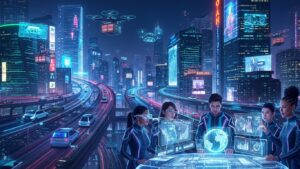
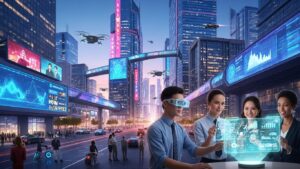
The future of technology promises continued innovation and transformation across every sector. Artificial intelligence, quantum computing, biotechnology, and space exploration will redefine human potential and daily life. Smart cities, autonomous transportation, personalized healthcare, and immersive experiences will enhance efficiency, accessibility, and quality of life. Ethical frameworks, equitable access, and responsible innovation will be essential to ensure that technology serves humanity positively. By leveraging the power of technology responsibly, societies can create a future that is smarter, safer, and more connected than ever before.
Conclusion: Embracing a Technological Future
Technology has become the foundation of modern civilization, influencing how we live, learn, work, and interact. It offers incredible opportunities for innovation, efficiency, and global connectivity while posing challenges that require thoughtful solutions. Responsible and ethical use of technology is essential to maximize benefits and minimize risks. By embracing innovation and fostering equitable access, humanity can harness technology to solve complex problems, enhance quality of life, and shape a future limited only by imagination. Technology is not merely a tool; it is a transformative force that will continue to define the world for generations to come.