Tech Horizons: How Innovation is Shaping the Future of Our World
Introduction: Technology as a Catalyst for Change
Technology has become the defining force of the 21st century. It permeates every aspect of human life, transforming how we communicate, work, learn, and entertain ourselves. From smartphones and artificial intelligence to renewable energy and space exploration, technological advancements have reshaped society in ways unimaginable just a few decades ago. The rapid pace of innovation has created opportunities for growth and efficiency, but it has also introduced challenges in ethics, security, and adaptation. To understand the impact of technology today, we must explore its evolution, its current applications, and its potential to shape the future.
The Evolution of Technology
The history of technology is a story of human ingenuity. Early innovations such as fire, the wheel, and the printing press revolutionized life by improving survival, mobility, and communication. The Industrial Revolution marked a major leap forward, introducing mechanization that transformed manufacturing, transportation, and agriculture.
In the 20th century, technological progress accelerated with the development of electricity, automobiles, airplanes, and computers. The invention of the internet and mobile technology brought about the digital revolution, connecting the world like never before. Devices that were once considered luxuries, such as personal computers and smartphones, have now become essential tools for work, education, and daily life.
Digital Transformation Across Industries
Digital transformation has reshaped industries worldwide. Businesses leverage technologies such as cloud computing, big data, and artificial intelligence to improve efficiency, reduce costs, and enhance customer experiences. AI-powered analytics allows organizations to predict consumer behavior, optimize supply chains, and automate repetitive tasks, freeing human resources for creative and strategic work.
In healthcare, digital systems track patient data, monitor vitals remotely, and even assist in complex surgeries. Education has been transformed through online learning platforms and virtual classrooms, making knowledge more accessible than ever. Retail, finance, entertainment, and agriculture have all experienced profound change, demonstrating the pervasive influence of technology in modern society.
Artificial Intelligence: Redefining Possibilities
Artificial intelligence is arguably the most transformative technological advancement of the modern era. AI enables machines to process information, recognize patterns, and make decisions with minimal human intervention. Machine learning, a branch of AI, allows systems to improve over time based on data input, enhancing efficiency and predictive accuracy.
Applications of AI are vast. Virtual assistants help with daily tasks, AI-driven diagnostics improve healthcare outcomes, and autonomous vehicles promise safer and more efficient transportation. In business, AI streamlines operations, identifies market trends, and personalizes customer experiences. While AI offers immense benefits, it also raises ethical concerns related to privacy, decision-making, and workforce displacement. Balancing innovation with responsibility is critical to harnessing AI’s full potential.
The Internet of Things: Connecting the World
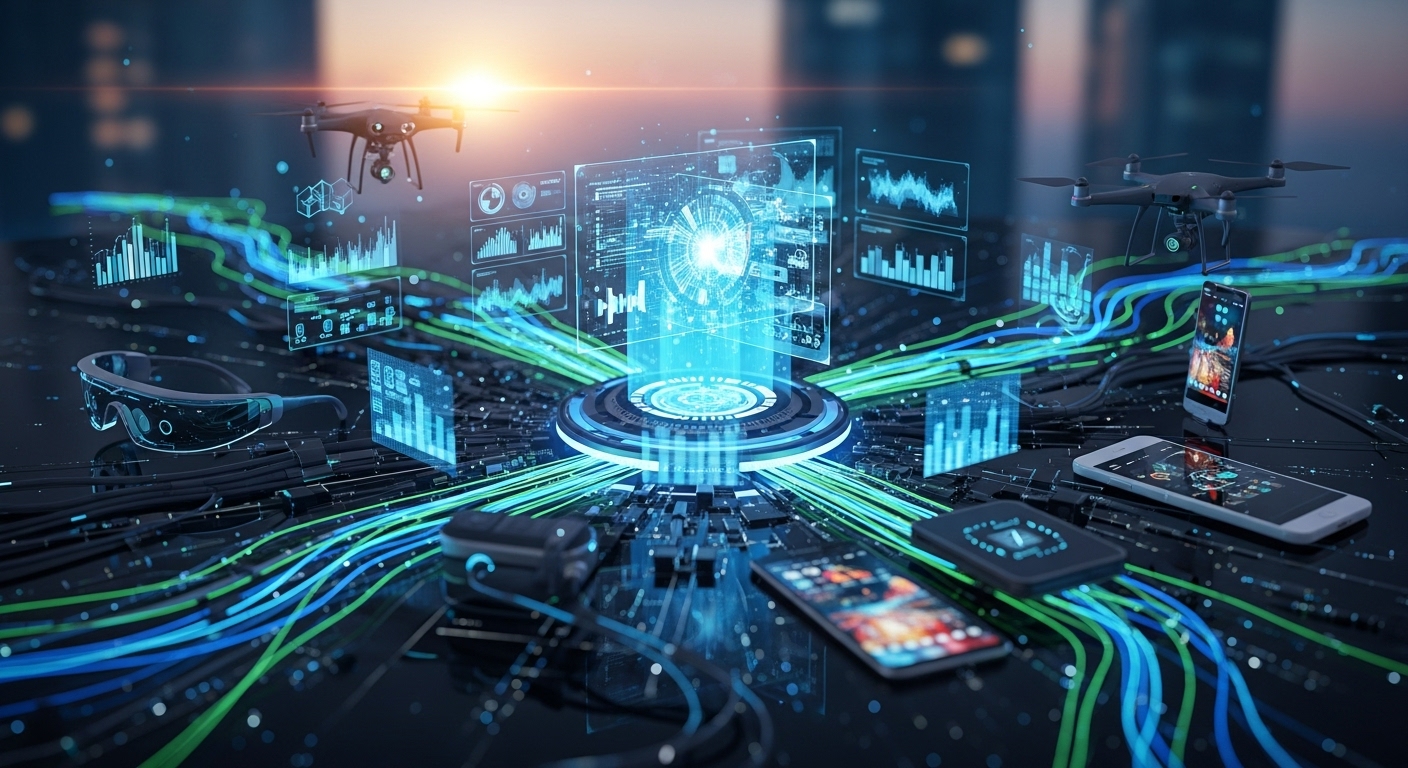
The Internet of Things, or IoT, represents the next frontier in connectivity. IoT links devices, appliances, vehicles, and wearables to the internet, enabling them to communicate and exchange data. Smart homes, for instance, allow lighting, heating, and security systems to operate autonomously, improving efficiency and convenience.
In industries, IoT sensors monitor machinery to prevent breakdowns and optimize performance. Healthcare benefits from wearable devices that track vital signs, allowing for proactive medical intervention. IoT has also revolutionized transportation, agriculture, and environmental monitoring, creating intelligent systems that respond dynamically to changing conditions. However, with increased connectivity comes the need for robust cybersecurity to prevent unauthorized access and data breaches.
Renewable Technology and Sustainability
Technology is essential in addressing environmental challenges and promoting sustainability. Renewable energy sources such as solar, wind, and hydropower are becoming more efficient and affordable. Innovations in energy storage and smart grids enhance reliability and facilitate the integration of renewable resources into national energy systems.
Transportation has also seen a shift with electric vehicles reducing dependence on fossil fuels. Agricultural technologies, including precision farming and vertical agriculture, conserve water and improve crop yields. Sustainable design in construction and manufacturing reduces environmental impact while maintaining productivity. Technology enables societies to grow economically without compromising ecological responsibility, creating a pathway for sustainable development.
Biotechnology and Healthcare Innovation
Biotechnology is revolutionizing healthcare and medicine. Genetic engineering, personalized medicine, and regenerative therapies allow treatment plans tailored to individual patients. CRISPR gene-editing technology offers potential cures for genetic disorders, while stem cell therapies regenerate damaged tissues and organs.
Telemedicine and wearable health devices have expanded access to care, allowing patients to consult doctors remotely and monitor vital signs in real-time. AI-powered diagnostic tools increase accuracy and reduce human error. The integration of technology in healthcare has not only improved outcomes but also made treatments more accessible and cost-effective.
Space Exploration: Technology Beyond Earth
Space exploration exemplifies humanity’s ambition and technological prowess. Advances in rocketry, robotics, and satellite systems have enabled deeper understanding of our solar system and beyond. Private companies, alongside government agencies, are developing reusable rockets, planning missions to the Moon and Mars, and deploying satellite constellations that improve global communication.
Technological breakthroughs from space programs often find applications on Earth, such as innovations in materials science, telecommunications, and robotics. The drive to explore space highlights the limitless potential of technology to solve problems, inspire innovation, and expand human knowledge.
Cybersecurity: Protecting the Digital World
As technology becomes increasingly central to everyday life, cybersecurity has become a critical priority. Cyber threats, including hacking, phishing, and ransomware, target individuals, businesses, and governments. Protecting sensitive information requires advanced encryption, multi-layered security systems, and continuous monitoring.
Education and awareness are essential in maintaining a secure digital environment. Individuals must follow best practices for password management and device security, while organizations need comprehensive strategies for threat detection, employee training, and data protection. The rise of IoT, cloud computing, and smart systems makes cybersecurity a continuous and evolving challenge.
Emerging Trends in Technology
The future of technology promises even more transformative advancements. Quantum computing could revolutionize problem-solving and data processing, allowing calculations impossible for classical computers. Augmented and virtual reality are creating immersive experiences in entertainment, education, and professional training. Robotics and automation continue to enhance efficiency in manufacturing, logistics, and daily life.
Smart cities, powered by IoT and AI, optimize urban infrastructure, transportation, and energy consumption. Ethical frameworks and regulations will play a key role in ensuring these technologies benefit society while minimizing unintended consequences. The next decade promises a world increasingly shaped by intelligent, connected, and sustainable innovations.
Conclusion: Embracing a Tech-Driven Future
Technology has fundamentally transformed society, touching every aspect of life from communication and healthcare to energy and exploration. Innovations such as AI, IoT, renewable energy, biotechnology, and space exploration demonstrate the limitless potential of human creativity and ingenuity.
As technology continues to evolve, it offers unprecedented opportunities for improving quality of life, solving global challenges, and expanding human potential. At the same time, responsible development, ethical oversight, and cybersecurity must guide its implementation. The future is increasingly digital, connected, and sustainable, and humanity’s ability to embrace and shape this future will define the world for generations to come.