The Tech Revolution: How Emerging Technologies Are Shaping Our Future
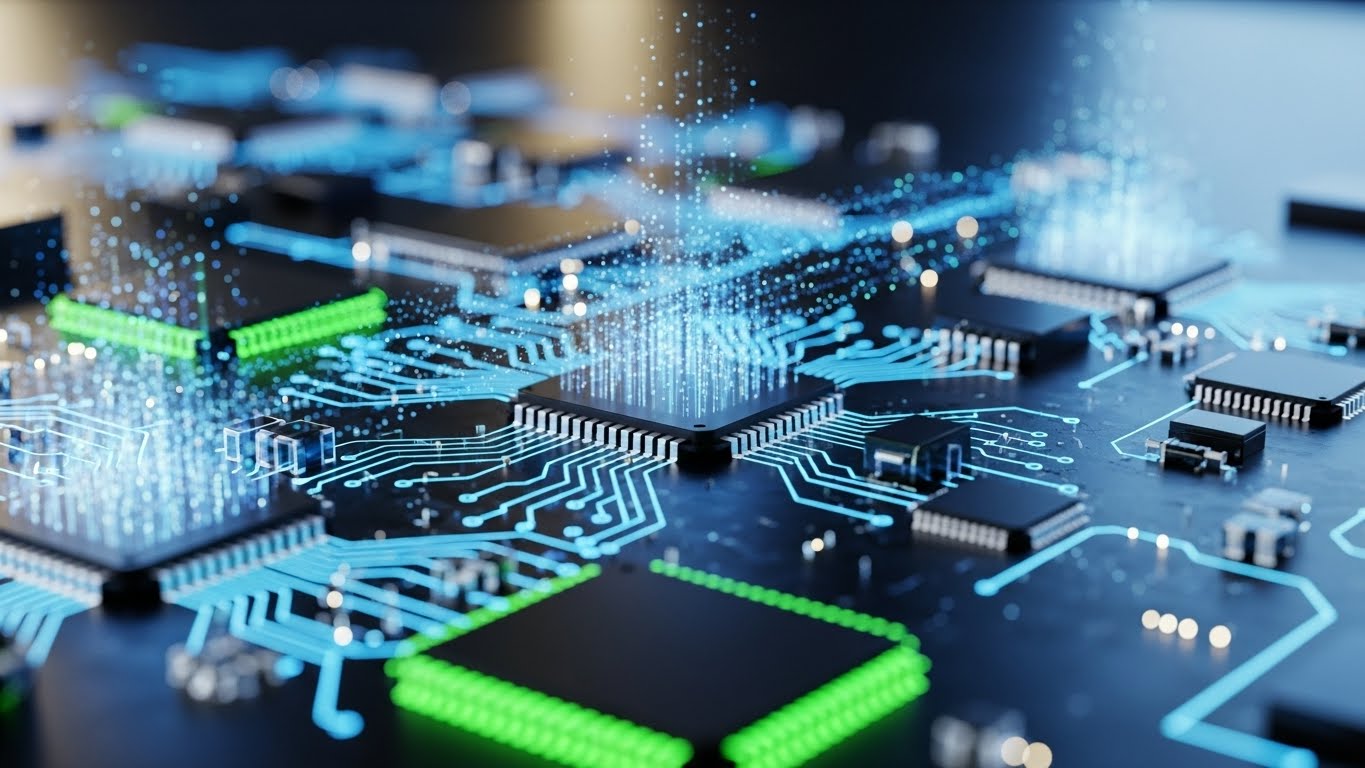
The rapid pace of technological advancement in recent years has reshaped every aspect of our lives. From the way we communicate and work to how we learn, shop, and entertain ourselves, technology has become so ingrained in our daily routines that it’s hard to imagine life without it. As we look ahead, the promise of new technologies offers the potential to revolutionize industries, redefine human capabilities, and solve some of the world’s most pressing challenges. In this post, we’ll take a closer look at the major technological innovations shaping our present and future, and how they are changing the way we live, work, and interact with the world around us.
The Rise of Artificial Intelligence and Machine Learning
Artificial Intelligence (AI) and Machine Learning (ML) have become buzzwords in the tech world, but their influence is far-reaching and growing every day. AI refers to the ability of machines to perform tasks that traditionally required human intelligence, such as problem-solving, decision-making, and pattern recognition. Machine learning, a subset of AI, allows machines to learn from data, improving their performance over time without being explicitly programmed.
In recent years, AI and ML have moved beyond the realm of science fiction and into practical applications. From voice assistants like Siri and Alexa to recommendation systems used by Netflix and Amazon, these technologies are already deeply embedded in our daily lives. However, their impact is only just beginning.
In healthcare, AI is helping doctors diagnose diseases faster and more accurately by analyzing medical images, predicting patient outcomes, and even suggesting personalized treatment plans. In finance, AI is being used to detect fraud, automate trading, and provide personalized financial advice. In the automotive industry, AI is driving the development of self-driving cars, with the potential to revolutionize transportation by reducing accidents, traffic congestion, and emissions.
Despite the remarkable progress, AI still faces several challenges. Ethical considerations, data privacy concerns, and the need for regulation are issues that need to be addressed as AI becomes increasingly integrated into various industries. Nevertheless, AI and machine learning are set to play a transformative role in our future, offering efficiencies, capabilities, and innovations that were once unthinkable.
The Internet of Things: Connecting the World
The Internet of Things (IoT) refers to the network of interconnected devices and objects that communicate with one another over the internet. From smart thermostats that adjust the temperature based on your preferences to wearable fitness trackers that monitor your health in real-time, IoT is rapidly transforming everyday life.
One of the most notable aspects of IoT is how it creates a more connected and intelligent world. In smart homes, IoT devices allow users to control appliances, lights, security systems, and even their refrigerators using smartphones or voice commands. This makes homes more efficient, comfortable, and secure, offering convenience and energy savings.
On a larger scale, IoT is transforming industries by improving efficiency and reducing costs. In agriculture, IoT sensors monitor soil moisture levels, allowing farmers to optimize irrigation and increase crop yields. In logistics and supply chain management, IoT devices track shipments in real-time, reducing delays and improving inventory management. Even cities are getting smarter: IoT technology enables real-time monitoring of traffic, waste management, and energy use, making urban areas more sustainable and livable.
However, with the proliferation of connected devices, cybersecurity has become a significant concern. As more and more devices collect and transmit data, the risk of cyberattacks and data breaches grows. Ensuring the security and privacy of IoT networks will be crucial as this technology continues to expand.
Blockchain: Beyond Cryptocurrencies
When most people hear the word “blockchain,” they immediately think of Bitcoin or other cryptocurrencies. While blockchain technology is the backbone of digital currencies, its potential extends far beyond the realm of finance.
At its core, blockchain is a decentralized ledger that records transactions across multiple computers in a way that makes it nearly impossible to alter the data. This offers a level of security and transparency that traditional systems cannot match. For example, in supply chain management, blockchain can provide an immutable record of every step a product takes from production to delivery, ensuring transparency and reducing the risk of fraud.
In healthcare, blockchain can be used to store patient records securely and allow doctors to access the information quickly and efficiently. The technology could also be used for voting systems, ensuring that ballots are tamper-proof and securely stored. Even in the world of intellectual property, blockchain has the potential to help artists and creators protect their work by establishing clear ownership and preventing piracy.
Despite its promise, blockchain is still in its early stages of development. Issues such as scalability, energy consumption, and regulatory hurdles need to be addressed before it can achieve widespread adoption. However, as blockchain technology matures, it has the potential to disrupt a wide range of industries, from finance and healthcare to logistics and entertainment.
The Future of Work: Automation and Remote Collaboration
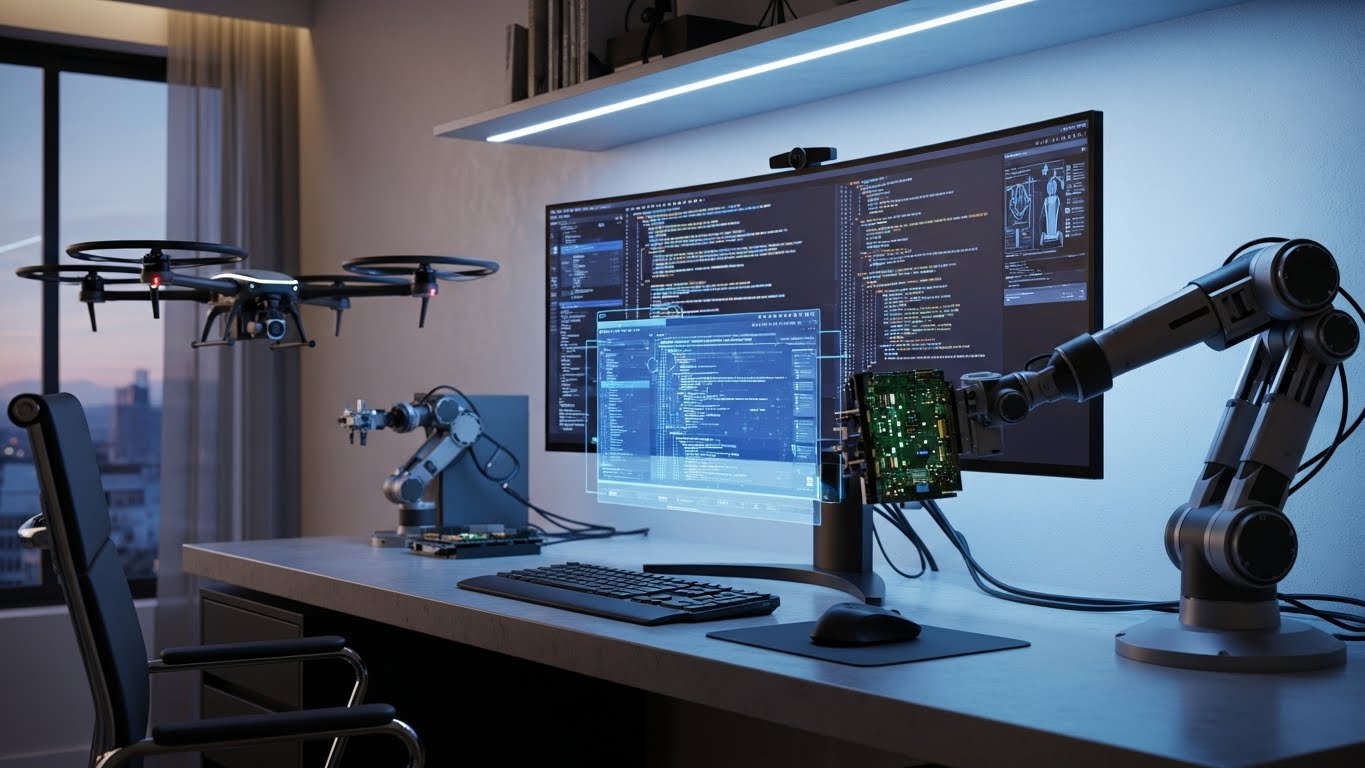
As automation and artificial intelligence continue to evolve, the future of work is undergoing a profound transformation. While automation has been used for decades in industries like manufacturing, new advancements in robotics, AI, and machine learning are now being applied across nearly every sector.
In manufacturing, robots are already performing tasks that were once done by human workers, such as assembly, quality control, and even packaging. In the service industry, AI-powered chatbots are handling customer service inquiries, while AI algorithms assist with everything from scheduling to inventory management. This shift toward automation offers businesses significant cost savings and efficiency gains, but it also raises concerns about job displacement.
While automation may replace certain types of jobs, it also creates new opportunities in fields such as AI development, robotics engineering, and data analysis. Moreover, the growing demand for remote work is fueling the need for collaboration tools and platforms that allow people to work from anywhere. Cloud computing, video conferencing software, and project management tools are enabling teams to collaborate across time zones and geographies, transforming the traditional office environment.
The future of work will likely be a hybrid model, with human workers and machines working side by side. Workers will need to adapt to new technologies and develop skills that complement automation, such as critical thinking, creativity, and emotional intelligence. The workplace will also become more flexible, offering employees greater autonomy and work-life balance.
Virtual Reality and Augmented Reality: Redefining Experiences
Virtual Reality (VR) and Augmented Reality (AR) are technologies that have already begun to change the way we interact with the world. While VR immerses users in entirely virtual environments, AR overlays digital information on top of the real world, creating a mixed-reality experience.
In gaming and entertainment, VR has taken immersive experiences to new heights. VR headsets allow players to step inside a game, where they can explore 3D worlds and interact with their surroundings in ways that traditional gaming platforms cannot replicate. VR has also been applied to other industries, such as education, where students can take virtual field trips or engage in interactive simulations.
AR, on the other hand, has become increasingly popular in retail and marketing. Apps like Pokémon Go brought AR into the mainstream, but it’s also being used in industries like fashion and furniture. AR allows customers to visualize how products will look in their homes before making a purchase or to try on clothes virtually, enhancing the shopping experience.
In healthcare, both VR and AR are making waves. VR is being used in therapy, where patients can engage in virtual environments to treat phobias, anxiety, and post-traumatic stress disorder (PTSD). AR is assisting surgeons during operations by providing real-time data and 3D imaging, improving precision and patient outcomes.
The Green Revolution: Technology for Sustainability
As the world faces the growing threat of climate change, technology is playing a critical role in driving sustainability efforts. Renewable energy technologies, such as solar, wind, and hydropower, are rapidly advancing and becoming more affordable. These clean energy sources are helping to reduce dependence on fossil fuels and mitigate the environmental impact of energy consumption.
In addition to energy, technology is being applied to other environmental challenges. In agriculture, for example, precision farming techniques are enabling farmers to use water, fertilizers, and pesticides more efficiently, reducing waste and environmental harm. IoT sensors are also being used to monitor air quality and track emissions, helping cities reduce pollution and improve public health.
Electric vehicles (EVs) are another area where technology is driving sustainability. EVs produce fewer emissions than traditional gasoline-powered vehicles, and advances in battery technology are making them more affordable and practical for everyday use. The rise of EVs, coupled with the development of a more widespread charging infrastructure, is expected to play a major role in reducing global carbon emissions.
Sustainability and technology go hand in hand, and as technology continues to evolve, it will be instrumental in addressing some of the world’s most pressing environmental challenges.
Conclusion: A World on the Brink of Transformation
The technological landscape is evolving at an extraordinary rate, and the future holds immense promise. From AI and IoT to blockchain, VR, and renewable energy, these innovations are transforming how we live, work, and interact with the world. While there are challenges to overcome—ethical concerns, cybersecurity risks, and the need for responsible regulation—the potential benefits of these technologies far outweigh the obstacles.
As we continue to push the boundaries of what is possible, one thing is clear: technology is not just changing the world; it’s creating a new world altogether. The key to unlocking this future will lie in our ability to harness these technologies responsibly, ensuring they are used for the greater good and benefit of all. The tech revolution is just beginning, and we are only scratching the surface of what’s to come.