The Future is Now: How Technology is Shaping Our World

Introduction
Technology is no longer just a tool; it is the foundation of modern life. From communication and education to healthcare and entertainment, technology has transformed the way we live, work, and interact with the world. The pace of technological innovation continues to accelerate, creating opportunities, solving problems, and presenting new challenges. This blog explores the impact of technology across multiple domains, its historical evolution, current trends, and the promising future that lies ahead.
The Evolution of Technology
The journey of technology began with simple tools and inventions that allowed early humans to survive and thrive. From the wheel to early agricultural tools, human ingenuity shaped societies. The Industrial Revolution marked a significant leap, introducing machinery, factories, and mass production, fundamentally changing economies and lifestyles. The 20th century brought electronics, computers, and the internet, connecting the world like never before. Today, artificial intelligence, robotics, and quantum computing continue to redefine possibilities, driving a new era of innovation.
Technology and Communication
Communication has been radically transformed by technology. The invention of the telegraph, telephone, and radio connected people over long distances. The internet and mobile devices revolutionized this connection, enabling instant communication worldwide. Social media platforms, video conferencing, and messaging apps allow people to interact in real-time, breaking down barriers of distance and language. Technology has made collaboration seamless for businesses, education, and personal interactions, creating a more interconnected world.
Technology in Education
Education has been profoundly impacted by technological advancements. Online learning platforms, virtual classrooms, and digital resources make education accessible to anyone with an internet connection. Artificial intelligence and adaptive learning software personalize education, catering to individual student needs. Technology enables interactive and engaging experiences through simulations, virtual labs, and multimedia content. Additionally, online courses and tutorials empower lifelong learning, equipping people with skills for an ever-changing digital world.
Healthcare and Medical Innovations
Healthcare has benefited tremendously from technological progress. Diagnostic tools, wearable devices, and telemedicine provide better access to healthcare and improved patient outcomes. Robotics assists in complex surgeries, enhancing precision and reducing recovery times. Biotechnology, genomic research, and personalized medicine offer treatments tailored to individual patients, increasing effectiveness. Technology also improves healthcare management systems, ensuring efficiency, accessibility, and quality in delivering medical services worldwide.
Business Transformation Through Technology
Technology has revolutionized the business landscape. Automation and artificial intelligence optimize operations, enhance productivity, and reduce costs. Data analytics allows organizations to make informed decisions and predict market trends. E-commerce platforms connect businesses to global markets, while digital marketing tools enable targeted engagement with customers. Cloud computing and remote collaboration software support flexible work environments, driving innovation and efficiency. Businesses that embrace technology stay competitive, adapting quickly to evolving markets.
Technology in Entertainment
Entertainment has undergone a major transformation thanks to technology. Streaming platforms, gaming, virtual reality, and augmented reality offer immersive experiences. Digital media allows creators to reach audiences directly, bypassing traditional channels. Advances in graphics, animation, and artificial intelligence enhance storytelling and engagement. Technology also enables interactive experiences, connecting fans to content in unique ways. The entertainment industry has evolved into a digital ecosystem, driven by creativity and innovation.
Artificial Intelligence and Machine Learning
Artificial intelligence (AI) and machine learning are among the most transformative technologies today. AI analyzes vast amounts of data, identifies patterns, and automates processes. Applications range from virtual assistants and chatbots to autonomous vehicles and predictive analytics. AI enhances efficiency, improves decision-making, and creates innovative solutions across industries. As AI continues to advance, ethical considerations, transparency, and responsible implementation are essential to maximize benefits while minimizing potential risks.
Cybersecurity in the Digital Era
With increasing reliance on technology, cybersecurity has become critical. Protecting sensitive data from cyber threats, malware, and hacking is essential for individuals, businesses, and governments. Strategies such as encryption, secure networks, multi-factor authentication, and continuous monitoring safeguard information. Organizations must adapt to evolving threats to maintain trust and security in the digital ecosystem. Cybersecurity education and awareness are equally important, ensuring safe and responsible technology usage.
The Internet of Things
The Internet of Things (IoT) connects devices, systems, and infrastructure to the internet, enabling automation and real-time data collection. Smart homes, wearable devices, and connected vehicles improve convenience, safety, and efficiency. In industries, IoT optimizes supply chains, energy usage, and predictive maintenance. While IoT enhances daily life and business operations, it also raises concerns about privacy, security, and data management, requiring careful oversight and regulation.
Robotics and Automation
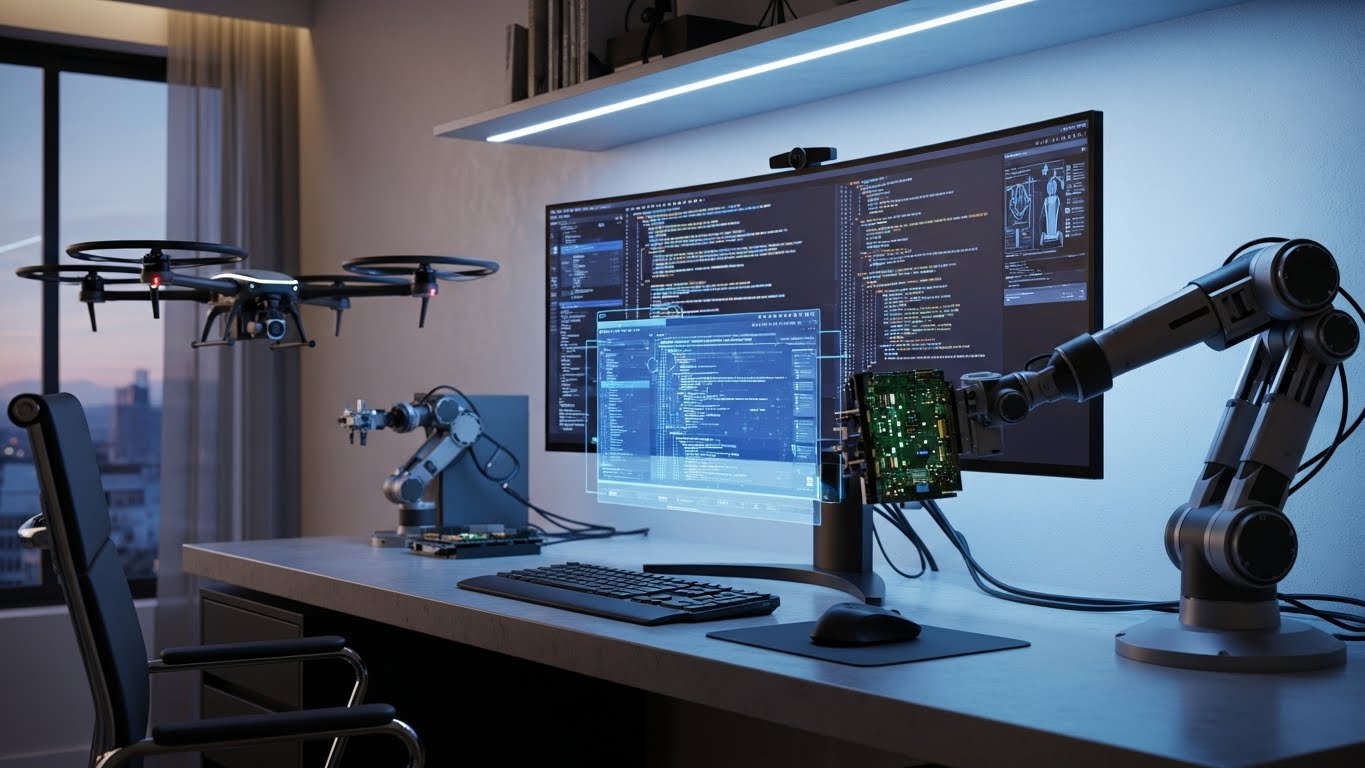
Robotics and automation are reshaping industries, labor, and manufacturing processes. Robots perform repetitive, precise, and hazardous tasks with efficiency and accuracy. Automation improves productivity, reduces errors, and lowers operational costs. In healthcare, surgical robots support complex procedures, while automated logistics and warehouses streamline supply chains. Collaborative robots and AI-driven systems continue to expand capabilities, redefining work environments and human-machine collaboration.
Sustainable Technology
Technology is increasingly applied to address environmental challenges. Renewable energy sources, smart grids, and energy-efficient devices reduce carbon footprints and conserve resources. Innovations in electric vehicles, recycling, waste management, and water purification contribute to sustainability. Technology-driven solutions in agriculture, transportation, and urban planning promote a greener and more sustainable future. By integrating environmental responsibility with innovation, technology helps balance progress with ecological preservation.
Ethical Challenges in Technology
Despite its advantages, technology poses ethical dilemmas. Issues such as data privacy, digital addiction, surveillance, and misinformation must be addressed responsibly. Automation and AI can disrupt employment, requiring reskilling and workforce adaptation. Ethical decision-making in AI, genetic engineering, and cybersecurity is crucial to prevent misuse. Policymakers, technologists, and society must collaborate to ensure technology is developed and used in ways that respect human rights, fairness, and societal well-being.
The Future of Technology
The future of technology promises even greater transformation. Quantum computing, artificial intelligence, biotechnology, and immersive experiences like augmented and virtual reality will redefine industries, lifestyles, and global connectivity. Smart cities, autonomous transportation, and AI-driven healthcare systems are just the beginning of technological integration. Responsible innovation and ethical practices will shape a future where technology enhances human potential, improves quality of life, and creates opportunities for a more connected and sustainable world.
Conclusion
Technology has become the driving force behind modern civilization, transforming communication, education, healthcare, business, and entertainment. Its impact is profound, creating opportunities for innovation, efficiency, and global connectivity while presenting challenges that require careful consideration. As technology continues to advance, responsible and inclusive development is crucial to ensure it serves humanity effectively. The digital revolution is shaping the present and future, redefining possibilities, connecting communities, and empowering individuals. Technology is no longer just a tool—it is the blueprint for tomorrow.