Tech Frontiers: How Technology is Redefining Our World
Introduction: The Era of Technological Transformation
Technology is no longer just a tool; it has become an integral part of daily life, shaping how we communicate, work, learn, and entertain ourselves. From artificial intelligence to renewable energy, technological innovation drives progress, challenges traditional practices, and reshapes global society. The rapid pace of change means that what is cutting-edge today may become obsolete tomorrow, highlighting both the opportunities and challenges technology presents. In this article, we will explore the evolution of technology, its impact on various sectors, the social and ethical considerations it raises, and what the future may hold.
The Evolution of Technology
The story of technology is a tale of human curiosity and ingenuity. Early innovations, such as the wheel, fire, and simple tools, set the foundation for civilization. Over centuries, discoveries in science and engineering led to major breakthroughs in transportation, communication, and medicine. The industrial revolution marked a turning point, introducing machinery and mass production that transformed societies. The 20th century brought computing, the internet, and mobile devices, accelerating global connectivity and access to information. Today, technological evolution is characterized by speed, convergence, and integration, affecting nearly every aspect of human life.
The Role of Information Technology
Information technology (IT) has become the backbone of modern society. Computers, servers, and data networks facilitate communication, storage, and processing of information on a scale previously unimaginable. Cloud computing enables businesses to operate efficiently, store massive amounts of data securely, and provide services remotely. Big data analytics allows organizations to understand consumer behavior, predict trends, and make data-driven decisions. IT is not only vital for businesses but also for governments, healthcare systems, and educational institutions, making it a central pillar of contemporary infrastructure.
Artificial Intelligence and Machine Learning
Artificial intelligence (AI) and machine learning are among the most transformative technological advancements today. AI systems can process vast amounts of data, recognize patterns, and make decisions at speeds and accuracy levels beyond human capacity. Applications range from virtual assistants and recommendation systems to medical diagnostics and autonomous vehicles. Machine learning, a subset of AI, enables systems to learn and improve over time, making technology adaptive and predictive. While AI presents immense opportunities for efficiency and innovation, it also raises ethical concerns regarding privacy, bias, and the potential displacement of human labor.
The Internet of Things and Connectivity
The Internet of Things (IoT) connects everyday objects to the internet, allowing them to collect, share, and analyze data. Smart homes, wearable devices, and connected vehicles are just a few examples of how IoT integrates technology into daily life. IoT enhances convenience, efficiency, and safety by automating tasks and providing real-time insights. For businesses, IoT enables optimized operations, predictive maintenance, and improved customer experiences. The expansion of connectivity, combined with 5G technology, is set to further revolutionize industries, enabling faster communication, remote monitoring, and intelligent decision-making.
Technology in Healthcare
Healthcare has experienced a technological revolution, improving patient care, diagnosis, and treatment outcomes. Telemedicine allows patients to consult doctors remotely, increasing access to medical care, especially in rural areas. Advanced imaging, robotics, and AI-assisted diagnostics enable more precise procedures and early disease detection. Wearable devices track vital signs, encouraging proactive health management. Biotechnology and genetic engineering offer new possibilities for treating previously incurable conditions. The integration of technology into healthcare not only enhances efficiency but also empowers individuals to take greater control over their well-being.
The Impact of Technology on Education
Technology has reshaped education, transforming teaching and learning methods. Online courses, virtual classrooms, and digital resources make education accessible to a global audience. Interactive tools, simulations, and adaptive learning software personalize instruction and enhance engagement. Artificial intelligence can analyze student performance, offering tailored recommendations and early interventions. Furthermore, technology fosters collaboration and innovation, preparing students for careers in a digital economy. The widespread adoption of technology in education demonstrates its potential to democratize learning and equip future generations with critical skills.
Technology and the Economy
Technology is a major driver of economic growth and innovation. Automation, robotics, and AI streamline production processes, increase efficiency, and reduce costs. E-commerce platforms connect buyers and sellers globally, transforming consumer behavior and retail landscapes. Fintech innovations, such as digital banking, blockchain, and mobile payment systems, revolutionize financial services, increasing accessibility and security. At the same time, technology creates new industries, entrepreneurial opportunities, and job roles. Balancing technological advancement with workforce development is essential to ensure that economic benefits are widely shared.
Social Media and Digital Communication
Social media platforms have transformed how people communicate, share information, and build communities. Platforms facilitate instant interaction across distances, enabling networking, collaboration, and cultural exchange. Digital communication tools also support remote work, teleconferencing, and global business operations. However, technology-driven communication presents challenges, including misinformation, privacy concerns, and the psychological effects of constant connectivity. Understanding and managing the impact of digital communication is essential to maximize its benefits while mitigating risks.
Ethical Considerations in Technology
As technology advances, ethical considerations become increasingly important. Issues such as data privacy, cybersecurity, artificial intelligence bias, and environmental impact demand careful attention. Responsible innovation requires transparency, accountability, and consideration of societal consequences. Policymakers, corporations, and individuals must collaborate to create regulations, standards, and best practices that balance technological progress with ethical responsibility. The ethical use of technology is critical to maintaining public trust and ensuring that advancements benefit humanity as a whole.
The Future of Technology
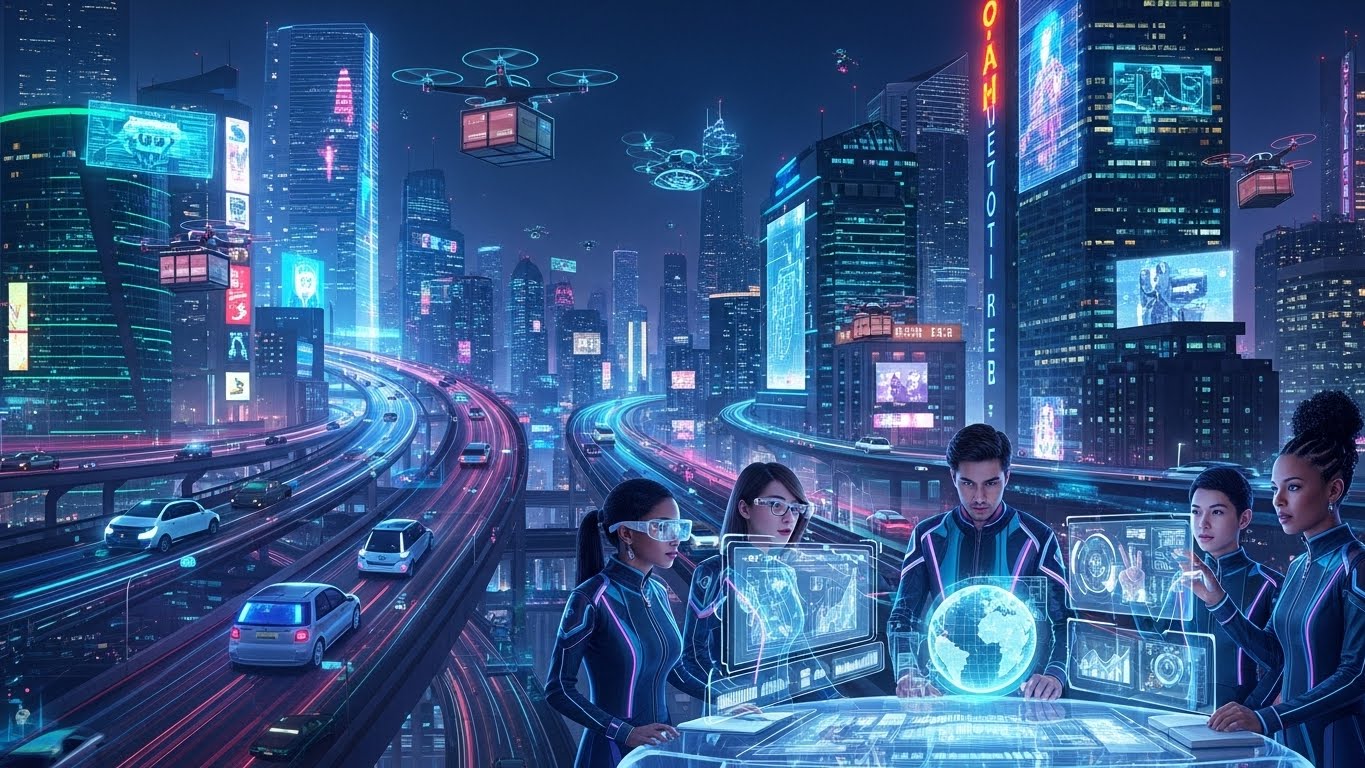
The future of technology promises unprecedented opportunities and challenges. Emerging trends include quantum computing, advanced robotics, biotechnology, and sustainable energy solutions. Smart cities, autonomous vehicles, and augmented reality will redefine urban living and human interaction. Artificial intelligence and machine learning will continue to enhance productivity, creativity, and problem-solving across industries. As technology evolves, continuous learning, adaptability, and ethical awareness will be crucial for individuals, organizations, and societies to harness its potential responsibly.
Conclusion: Embracing the Technological Era
Technology is an unstoppable force shaping the present and future of human civilization. It drives innovation, enhances efficiency, and connects the world in ways previously unimaginable. From healthcare and education to communication and economic growth, technology impacts every aspect of life. However, it also demands responsibility, ethical consideration, and adaptability to navigate its challenges. Embracing technology with awareness and purpose allows humanity to unlock its transformative potential, creating a world that is smarter, more connected, and better equipped to address complex global challenges. Technology is not merely a tool; it is the foundation of progress, the catalyst for change, and the key to the future.