Best Smart Glasses to Watch For
Introduction
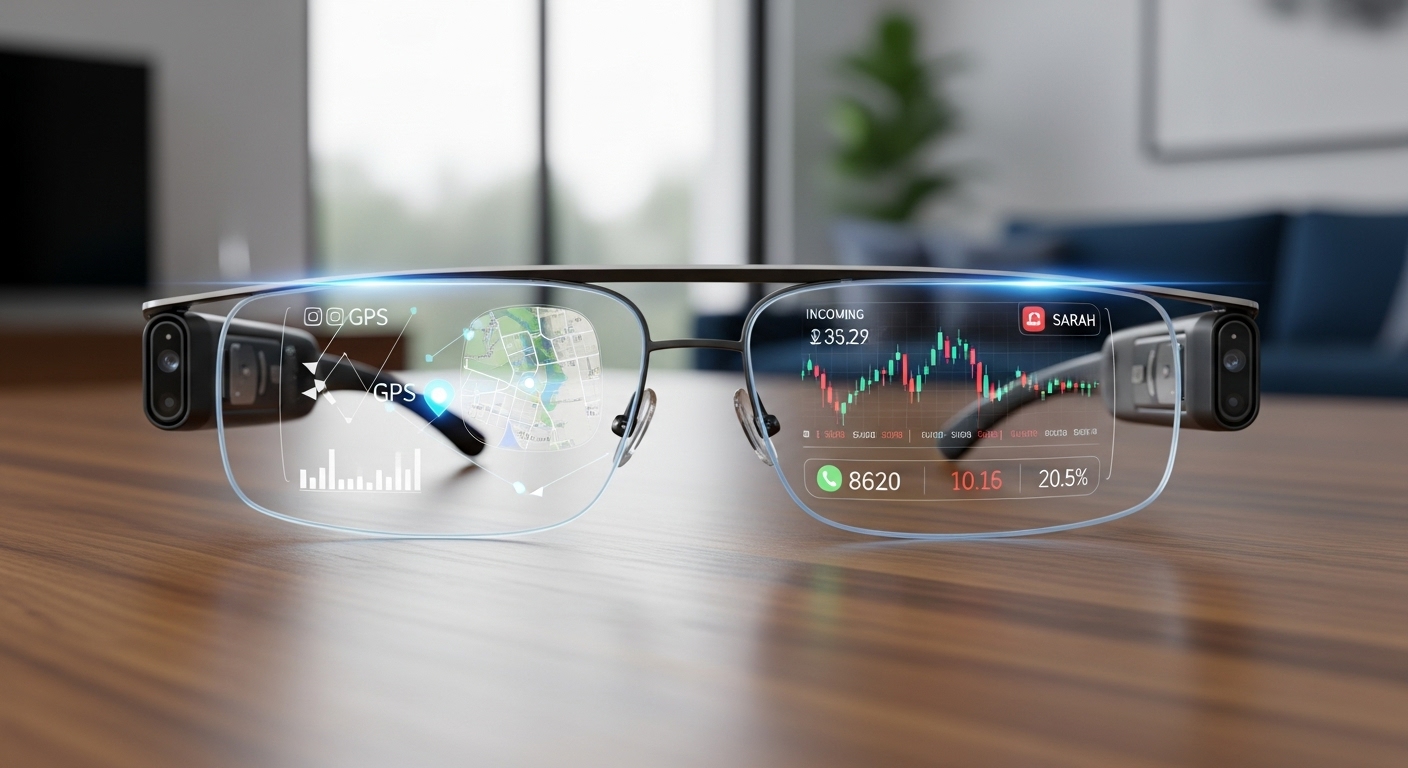
Smart glasses are no longer a sci-fi fantasy. They are fast becoming part of the next wave in wearable tech. From augmented reality overlays to AI-powered assistants, from fitness tracking to hands-free photography, smart glasses promise to bring convenience and new capabilities in a form you literally carry on your face.
As we move through the mid-2020s, the market is heating up. New models are pushing better display technology, lighter and more ergonomic designs, more powerful on-device AI, and features that go beyond novelty. Whether you want smart glasses for productivity, entertainment, fitness, or just style, there is something worth watching.
In this blog, I’ll explain what features matter, present several of the best smart glasses currently available or just released, highlight upcoming models to keep an eye on, and consider where the technology is headed in the near future.
What Makes a Great Smart Glasses
Before diving into specific models, let’s examine what makes some smart glasses stand out. The best smart glasses are not just about having the latest chip or design, but about balancing many factors that define the user experience.
Display Technology and Visual Clarity
One of the most important aspects is the display. Some smart glasses include heads-up displays (HUD), some use augmented reality (AR), and others are simply camera + audio glasses. If you want to see overlays or virtual screens, display resolution, brightness, field of view, and refresh rate matter. A brighter display helps outdoors; high refresh rate helps smooth visuals; low latency makes interactions feel natural.
Comfort, Weight and Design
Glasses are worn on your face and often for long stretches. If they are heavy or poorly balanced, they will strain your nose, ears, or temples. Design that allows for prescription lenses or transitions, flexible frames, good ventilation, and a shape that suits your face are important.
Battery Life and Charging
Smart features consume power: displays, cameras, AI processing. Good battery life is essential. Charging methods, onboard battery vs supplemental power (necks, cases, etc.), and whether they can last through a full workday or for entertainment are key.
Audio, Speakers, Microphones
Smart glasses usually include audio output (speakers or earbuds), and microphones for voice control or calls. Open-ear audio helps you stay aware of surroundings, but may leak sound. Noise cancellation, clarity, and mic quality matter if you’ll be using them in busy places.
Software, AI, and Connectivity
What good is hardware without useful software? Features such as voice control, gesture control, on-device AI, translation, object recognition, notifications, mapping, etc., are what turn glasses into assistants. Being able to connect well with phones, ecosystems (Android, iOS), apps, and having privacy/updates are also decisive.
Durability, Water and Weather Resistance
Since glasses are exposed to sun, rain, sweat, dust, durability specs like water resistance, scratch-resistant lenses, and impact safety make a big difference.
Standout Smart Glasses You Can Already Get
Here are several smart glasses released recently or widely available right now, that are worth paying attention to. Each has strengths and trade-offs.
Ray-Ban Meta Display Glasses
Meta’s Ray-Ban Display glasses are their first with a built-in display. These glasses project visual content into the right lens, enabling you to view notifications, messages, directions, or short video content directly without pulling out your phone.
They pair with a Neural Band worn around the wrist which detects hand gestures and helps you control the display. Audio is built in, camera is present, and the design retains the classic Ray-Ban Wayfarer style so they feel more like regular sunglasses. Battery life is modest for mixed use, but good enough for portable use during a few hours out.
These are notable because they mark a shift from smart glasses being purely audio/camera gadgets toward real AR display wearables.
Ray-Ban Meta Smart Glasses (Camera / AI)
Earlier Ray-Ban Meta smart glasses (before the Display version) have strong photo/video capture features, open-ear speakers, and AI integrations for hands-free use. They do not have display overlays, so they are lighter, simpler, and more convenient in many scenarios (taking photos, short voice commands, recording).
They are good picks if you want style plus utility (camera, AI helpers) without the weight or battery drain of full AR displays.
XREAL One Pro
The XREAL One Pro focuses on immersive display experiences. It offers a virtual large screen, very high refresh rate, and bright visuals, making it ideal for watching media, streaming, work on portable devices.
If your priority is turning a space into a personal “cinema in your field of view” or an immersive display rather than always-on AR, glasses like the XREAL One Pro are excellent. Their display clarity, comfort, and picture quality are among the best in the display category. Trade-offs include less focus on always-on camera or hands-free AI control compared to simpler models.
Viture Pro XR
Viture Pro XR is another display-type smart glasses that push brightness, visuals, and immersive experiences. Offers dual micro-OLED displays, impressive resolution per eye, good visuals even outdoors.
These are more for immersive content, media viewing, and augmented virtual screen work than subtle notifications. You carry more hardware, you expect more charging, but get strong display performance in return.
Upcoming and Promising Models to Watch
There are several smart glasses either recently announced or rumoured that are poised to advance what is possible. These are worth keeping an eye on because they might address some current shortcomings.
Oakley Meta Vanguard and Oakley Meta HSTN
Oakley has partnered with Meta to produce two glasses aimed at different use cases. Vanguard is sport oriented, built for athletes, with features like strong camera performance, fitness tracking, and rugged build. HSTN is more everyday-wear, with lighter design, support for prescription and transition lenses, usable outdoors in more conditions.
These models are significant because they try to combine specialty use (sports, fitness) and general wear, offering options depending on lifestyle.
Next Apple Smart Glasses
There are strong indications Apple is accelerating work on smart glasses, including models both with fewer displays and with display features, expected in coming years. These models are said to emphasize voice, AI, style, and integration.
If Apple delivers glasses that are lightweight, reliable, with strong software, good privacy controls, and long-term support, they could be game changers because of their ecosystem strength.
Snap Inc. “Specs” and Spectacles Generations
Snap is working on newer immersive Spectacles or “Specs” models with better AR capability, lighter form factor, more integration. These could be focussed on augmented features rather than just recording, and may bring more creativity, lenses, location-based AR, etc.
Matching Glasses to Use Cases
Because smart glasses still involve trade-offs, it helps to think about what you want them for. These use cases can help you decide which models to follow or buy when options are available.
Media / Entertainment and Streaming
If you want glasses for watching movies, shows, streaming content, or large-screen effects, display-centric models like XREAL One Pro, Viture Pro XR are best. You trade off on weight, maybe battery, but you get stronger visuals.
Fitness, Outdoors, Sports Use
For people who sweat, move fast, or need ruggedness, models like Oakley Meta Vanguard are promising. You need water resistance, secure fit, robust frame, durable design, and reliable notification or camera features.
Hands-free Capture and Social / Content Creators
Camera/Ai glasses like Ray-Ban Meta (non-display) models are great for hands-free photo/video, social media content, storytelling. The AI camera, live streaming, voice command features are useful here.
Productivity / Work and AR Overlays
If your goal is to augment what you see: navigation, data overlays, translation, virtual screen for work, mixed reality features, then headset-style or high-quality display glasses (or upcoming Apple/Meta display AR models) are what you want.
Style / Fashion and Everyday Wear
If you want something you can wear everyday, style matters. Frames that look normal, are lightweight, support prescription lenses or transitions, minimal display or none, good audio without distraction. Style-first models may not have every feature, but are more wearable daily.
What Remains Challenge and What to Expect Next
Even among the best glasses, there are challenges. Knowing these helps you anticipate which models will really deliver.
Battery and Size vs. Capabilities
More features = more power demand. Display, camera, AI processing all draw power. Balancing battery life and weight/size is still difficult. Often glasses with displays have only a few hours of mixed use.
Display Visibility Outdoors
Sunlight visibility is a big issue. Displays often struggle outdoors, especially if brightness is low or glare high. Models with high peak brightness, good dimming or adaptive dimming, better optics, are more useful.
Software and Ecosystem Support
Devices are only as good as their algorithms and software updates. Whether the AI functions are reliable, how the software integrates with phones, apps, privacy protections, data security—all matter.
Cost and Price Drop
Many of the more advanced smart glasses are expensive. Over time, as components improve, prices should drop. Watching for mid-range models with strong features will be key.
Privacy, Regulation, and Social Acceptance
Glasses with cameras or always-on sensors raise privacy concerns. Regulatory issues, social comfort (people around you being recorded or audio pickups), data handling matter a lot.
Conclusion
Smart glasses are among the most exciting wearables of this moment. We are at a stage where technology is becoming mature enough to offer real utility, not just novelty. Whether you want immersive displays, hands-free content capture, fitness tracking, AI assistance, or stylish wearable tech, there are options now and many more coming.
Some of the standout models such as Ray-Ban Meta Display, Ray-Ban Meta camera-AI glasses, XREAL One Pro, Viture Pro XR are already pushing boundaries. Models from Oakley Meta, plastic-light fashion variants, and future Apple or Snap devices promise even more.
If you are considering getting smart glasses, think about what you need: display vs style, battery vs weight, camera vs privacy, etc. The “best” smart glasses will depend on what trade-offs you’re willing to accept.
For those who watch the space, the next year or two may bring versions that overcome current limitations significantly: better outdoor visibility, lighter weight, longer battery, more discreet design, stronger AI features, and broader availability.
Smart glasses are no longer futuristic dream; they are becoming real tools for many people. Keep your eyes on the announcements, try to test models if possible, and when the right combo of design, feature set, and price arrives, the shift from novelty to everyday usefulness will be clear.