Digital Renaissance: How Technology is Rewriting the Future of Humanity

Introduction: Entering the Era of Limitless Innovation
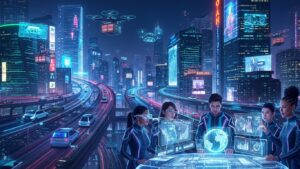
In the span of a few decades, technology has transformed from a supporting element of progress to the driving force behind every aspect of human civilization. What began with simple computing machines has evolved into a complex digital ecosystem connecting billions of people and devices worldwide. The digital revolution is no longer about gadgets or convenience; it is about reshaping industries, redefining human potential, and reimagining the future of society.
This ongoing transformation can best be described as a digital renaissance—a new age of creativity, intelligence, and innovation powered by technological advancement. From artificial intelligence to sustainable energy systems, technology is creating a world that is smarter, faster, and more inclusive than ever before.
Artificial Intelligence: The Brain Behind Modern Progress
Artificial Intelligence (AI) is at the core of today’s technological transformation. Its ability to process massive datasets, recognize patterns, and make decisions is revolutionizing every sector. AI systems power recommendation engines, self-driving cars, medical diagnostics, and even creative tasks like writing and music composition.
In healthcare, AI assists doctors in detecting diseases earlier and more accurately. In finance, it identifies market trends and prevents fraudulent transactions. Even in education, AI tools personalize learning by understanding a student’s pace and strengths. The technology’s flexibility and learning capability make it one of the most powerful tools of the century.
However, as AI grows more intelligent, society must also address its ethical challenges. Questions about job automation, data privacy, and bias in algorithms are crucial. The balance between innovation and ethics will determine whether AI becomes humanity’s greatest achievement or its most difficult dilemma.
The Internet of Things: A World of Smart Connections
The Internet of Things (IoT) represents the next stage of digital evolution, where physical devices communicate with each other through the internet. From smart homes that regulate temperature and lighting to connected vehicles that share traffic data, IoT is turning everyday objects into intelligent systems.
In industries, IoT sensors monitor production lines, reducing waste and improving efficiency. In agriculture, farmers use connected devices to track soil health and weather conditions. In cities, IoT supports efficient waste management, energy conservation, and public safety.
Yet, the promise of IoT also comes with security concerns. Every connected device represents a potential entry point for cyber threats. As technology continues to advance, stronger encryption and security frameworks will be essential to protect both individuals and infrastructure.
The Power of Cloud Computing
Cloud computing has revolutionized how we store, access, and share information. It has removed the need for massive on-site data centers and made computing resources accessible to anyone with an internet connection. From small businesses to global enterprises, cloud technology provides scalability, flexibility, and cost efficiency.
Modern innovations like remote work, video conferencing, and collaborative software owe much of their success to cloud infrastructure. It has enabled organizations to operate seamlessly across borders, manage data in real time, and integrate advanced tools such as artificial intelligence and data analytics.
While cloud computing offers endless possibilities, it also raises critical concerns about privacy and data ownership. Users and organizations must ensure that cloud systems adhere to strict security protocols to protect sensitive information in a world increasingly dependent on digital data.
Quantum Computing: Unlocking the Next Frontier
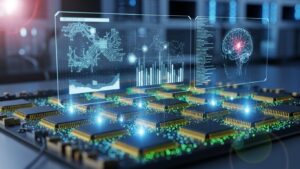
While classical computing has served humanity well, quantum computing is preparing to push the boundaries of what is possible. Based on the principles of quantum mechanics, these computers use qubits instead of traditional bits, allowing them to perform complex calculations at unprecedented speeds.
Quantum computing could revolutionize industries that rely on heavy data processing and simulation. It may help design new materials, develop advanced medicines, optimize logistics, and enhance cybersecurity by creating unbreakable encryption systems.
However, the technology is still in its early stages. The challenge lies in building stable and scalable quantum systems. Once achieved, quantum computing could redefine scientific research and unlock answers to questions that traditional computing could never solve.
Automation and Robotics: Redefining the Workforce
Automation has already become a defining feature of the modern workplace. From robotic assembly lines in manufacturing to AI-driven chatbots in customer service, machines now perform tasks that were once exclusively human.
This technological shift has sparked debates about the future of employment. While automation eliminates certain repetitive jobs, it also creates new opportunities in fields like robotics engineering, data science, and digital maintenance. Instead of replacing humans, automation can augment human capabilities, allowing people to focus on creative, strategic, and analytical tasks.
The future of work will likely be defined by collaboration between humans and machines. Training and upskilling programs will be crucial in preparing the workforce for this new era of coexistence.
Communication Technology: Bridging the Global Divide
Communication is one of the most visible examples of technological progress. What once took days or weeks to deliver can now be shared across continents in milliseconds. Smartphones, video calls, and instant messaging have redefined how people interact, learn, and build relationships.
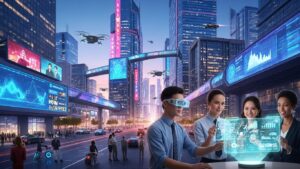
The introduction of 5G technology has further accelerated this evolution, enabling faster data transmission and more reliable connectivity. It is paving the way for innovations such as smart cities, remote surgeries, and real-time augmented reality experiences.
As we move toward 6G and beyond, communication will become even more immersive, merging the digital and physical worlds through technologies like virtual and augmented reality. The next decade promises a level of interconnectivity that will make global collaboration more natural and efficient than ever before.
Cybersecurity: The Digital Shield
As the digital world expands, so do the threats that come with it. Cybersecurity has become a fundamental necessity for individuals, organizations, and governments. From phishing scams to large-scale data breaches, cyberattacks have become more sophisticated and frequent.
Modern cybersecurity relies on artificial intelligence and behavioral analysis to predict and prevent attacks. Blockchain technology also plays a role in securing transactions and verifying digital identities. Despite these advancements, the human factor remains the weakest link in digital defense. Raising awareness and promoting responsible online behavior are just as important as technical safeguards.
In the digital age, security is no longer an afterthought—it is the foundation upon which all innovation must be built.
Green Technology: Innovation with Sustainability
As climate change becomes a global crisis, technology is being reimagined to support sustainability. Green technology aims to minimize environmental damage while maximizing efficiency and resource conservation.
Electric vehicles, renewable energy systems, and energy-efficient manufacturing processes are leading this change. Smart grids distribute power intelligently, reducing energy waste, while eco-friendly devices consume less electricity without sacrificing performance.
Furthermore, artificial intelligence and big data analytics are helping industries track carbon emissions and optimize energy consumption. The intersection of technology and sustainability represents the next great leap toward a greener and more responsible future.
Education in the Digital Age
Technology has reshaped education into a dynamic and interactive experience. Virtual classrooms, online courses, and AI-powered learning platforms have broken traditional barriers, making education more accessible than ever before.
Students can now access global knowledge bases, collaborate across continents, and learn at their own pace. Virtual reality brings subjects like science and history to life, while machine learning algorithms adapt educational content to each student’s individual needs.
However, the digital divide remains a significant challenge. Many regions still lack reliable internet access and digital infrastructure. Bridging this gap is essential to ensure that the benefits of technological education reach everyone, not just a privileged few.
The Role of Blockchain Beyond Cryptocurrency
Blockchain technology is often associated with digital currencies, but its potential extends far beyond finance. At its core, blockchain is a secure and transparent ledger system that records transactions in an immutable way.
This technology can revolutionize supply chain management, voting systems, digital identity verification, and intellectual property protection. By ensuring transparency and eliminating intermediaries, blockchain promotes trust in a world where digital data often lacks authenticity.
The future of blockchain lies in its integration across industries, fostering systems that are not only efficient but also transparent and tamper-proof.
Human-Centered Technology: Keeping Innovation Grounded
Amid all the rapid technological progress, it is essential to remember that technology should serve humanity, not the other way around. Human-centered design ensures that innovations enhance quality of life while respecting privacy, equality, and ethical boundaries.
Technology must remain inclusive, accessible, and empathetic. As automation and AI reshape industries, the emotional and creative aspects of humanity become even more valuable. True progress lies not in replacing humans but in empowering them through innovation.
Conclusion: Shaping Tomorrow’s World Today
The 21st century marks the beginning of a digital renaissance—an age defined by intelligence, creativity, and limitless potential. Technology has evolved from a mere tool into an extension of human imagination. It influences how we live, learn, heal, and communicate, pushing the boundaries of what was once thought impossible.
Yet, with great power comes great responsibility. The choices we make today will determine whether technology becomes a source of empowerment or division. Balancing innovation with ethics, progress with sustainability, and intelligence with compassion will define the legacy of our technological journey.
As we step into the future, one truth remains clear: technology is not just changing the world—it is redefining what it means to be human. By embracing this transformation with wisdom and purpose, humanity can shape a future that is not only advanced but also deeply humane.