Shaping Tomorrow: The Transformative Impact of Modern Technology
Introduction
The 21st century has seen technology evolve at a pace that is both astonishing and unprecedented. What was once considered science fiction is now an integral part of daily life. From artificial intelligence and blockchain to wearable devices and immersive reality experiences, technology has become the backbone of modern civilization.
This era of rapid innovation is not merely about convenience. Technology is fundamentally reshaping industries, societies, and the way individuals interact with the world. The convergence of digital tools, smart devices, and advanced computing systems has created a hyperconnected ecosystem where information flows seamlessly, decisions are data-driven, and processes are optimized like never before.
In this blog, we explore the transformative impact of modern technology, its applications across various sectors, and the innovations shaping the future of human life.
The Evolution of Technological Innovation
Technology has always been a reflection of human ingenuity. Early humans relied on simple tools to hunt, gather, and survive. The discovery of fire, the invention of the wheel, and the development of agriculture were milestones that laid the foundation for human progress.
The Industrial Revolution introduced machinery, mass production, and new forms of energy that transformed societies. Factories, railroads, and telegraphs connected people and accelerated economic growth. The 20th century then witnessed the digital revolution, with computers, telecommunications, and the internet redefining communication, commerce, and knowledge dissemination.
Today, technology moves faster than ever, with innovations building on one another to create new possibilities that reshape every aspect of life.
Artificial Intelligence: Driving Smarter Systems
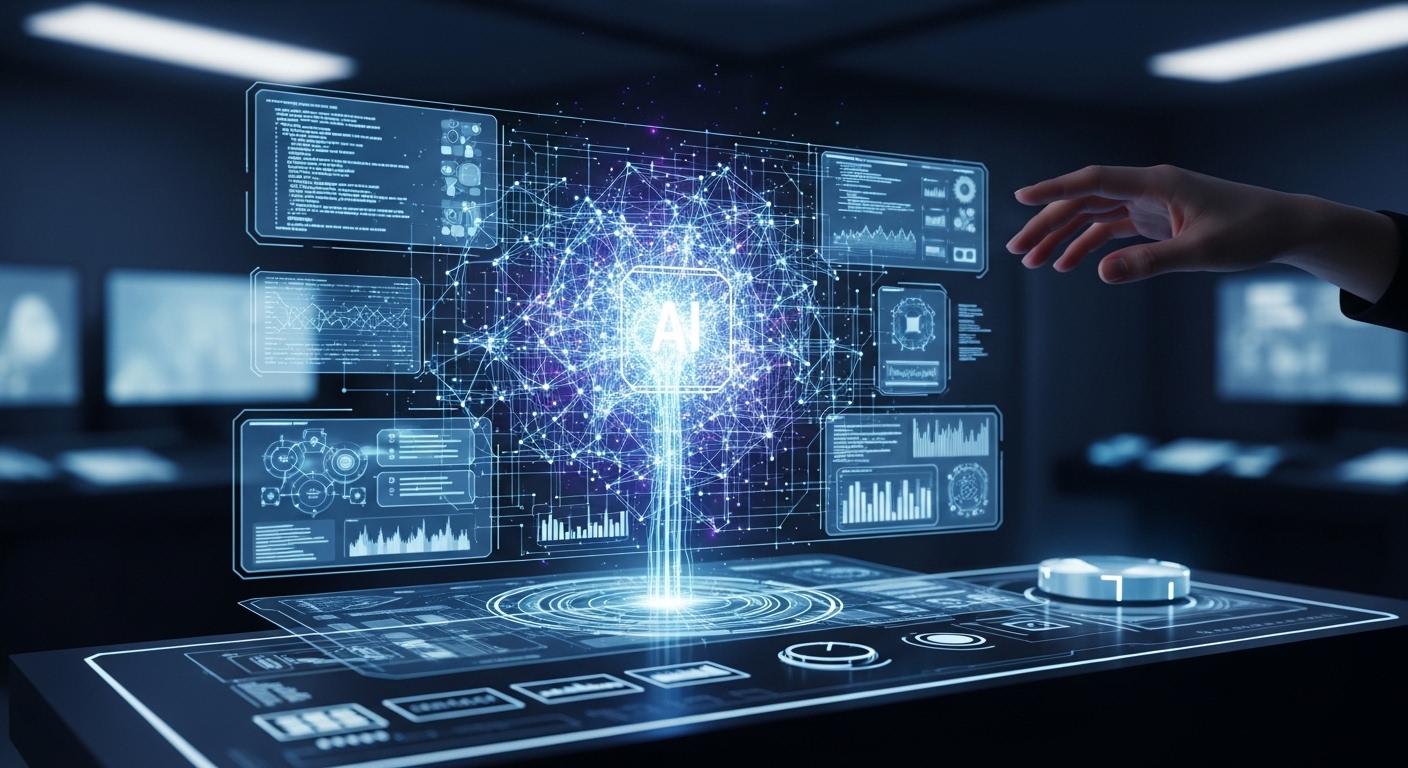
Artificial intelligence (AI) has emerged as one of the most transformative forces in modern technology. By enabling machines to analyze data, recognize patterns, and make decisions, AI is redefining the way humans interact with technology.
Machine learning, a branch of AI, allows systems to learn from experience and improve over time. This capability has applications across multiple domains. In healthcare, AI assists in diagnostics and treatment planning. In finance, it detects fraud and predicts market trends. AI also powers virtual assistants, recommendation systems, autonomous vehicles, and intelligent automation in business processes.
The integration of AI into daily life is creating smarter systems that improve efficiency, enhance productivity, and allow humans to focus on creativity and innovation.
Quantum Computing: Unlocking New Possibilities
Quantum computing represents a paradigm shift in how information is processed. Unlike classical computers, which rely on bits with binary values, quantum computers use qubits that can exist in multiple states simultaneously. This enables them to perform calculations at speeds unimaginable with traditional systems.
The implications of quantum computing are vast. It promises breakthroughs in cryptography, drug discovery, climate modeling, and materials science. By simulating complex processes in seconds rather than years, quantum computers could revolutionize research and problem-solving across numerous disciplines.
While still in its early stages, investments in quantum technology are growing, signaling a future where computational limits are redefined.
The Internet of Things: Creating Connected Ecosystems
The Internet of Things (IoT) is transforming how humans interact with the environment. IoT devices—ranging from smart thermostats and security systems to wearable health trackers and industrial sensors—collect, process, and exchange data to enhance efficiency and convenience.
In homes, IoT enables automation, energy management, and enhanced security. In industries, connected devices optimize production, reduce downtime through predictive maintenance, and improve logistics. Healthcare benefits from IoT through continuous monitoring of patient vitals and early detection of health issues.
By connecting devices and systems, IoT is creating ecosystems that are responsive, intelligent, and capable of real-time decision-making.
Virtual and Augmented Reality: Redefining Human Experience
Virtual reality (VR) and augmented reality (AR) are expanding the boundaries of human perception. VR immerses users in entirely digital worlds, enabling interactive experiences in gaming, education, and professional training. AR overlays digital elements onto the real world, enhancing navigation, visualization, and productivity.
Mixed reality (MR) combines VR and AR, allowing users to interact with both physical and digital objects simultaneously. Industries such as architecture, healthcare, and manufacturing are leveraging these technologies to improve design, training, and operational efficiency. The entertainment sector, meanwhile, is creating immersive experiences that redefine storytelling and engagement.
These technologies illustrate how innovation is not just about efficiency but also about transforming how humans experience the world.
Mobile Technology and Hyperconnectivity
Smartphones and mobile devices have revolutionized the way people communicate, work, and entertain themselves. High-speed networks, cloud services, and powerful applications provide instant access to information and services from virtually anywhere.
Mobile technology enables telemedicine, online education, digital banking, and collaborative work. Location-based services, AR applications, and mobile commerce have further enhanced convenience. The integration of AI and IoT into mobile devices creates a seamless ecosystem that is both adaptive and responsive to individual needs.
Mobile technology is a key driver of digital connectivity, enabling societies to function in real-time and on a global scale.
Cybersecurity: Protecting the Digital Frontier
As technology becomes more integrated into every facet of life, cybersecurity has become a critical concern. Threats such as hacking, ransomware, and identity theft target individuals, businesses, and governments. Protecting digital assets requires advanced encryption, AI-driven monitoring, and proactive threat detection strategies.
The complexity of modern networks, including IoT devices, cloud computing platforms, and mobile systems, increases vulnerability. Organizations must implement comprehensive security measures, conduct regular audits, and train personnel to mitigate risks. Cybersecurity is not only a technical challenge but a societal necessity to maintain trust and safety in the digital age.
Technology in Education
Education has been revolutionized by technological advancements. Online learning platforms, digital classrooms, and virtual resources make knowledge accessible to people worldwide. Students can learn at their own pace, collaborate with peers globally, and engage with interactive content that enhances understanding.
Artificial intelligence further personalizes education by adapting curricula to individual learning styles and providing real-time feedback. VR and AR create immersive learning experiences, making abstract concepts tangible and improving retention.
Digital technology equips students with essential skills such as coding, data analysis, and problem-solving, preparing them for a workforce increasingly dominated by innovation and automation.
Healthcare Innovations: Enhancing Lives
Medical technology has dramatically improved healthcare delivery and patient outcomes. Robotic-assisted surgery, AI-driven diagnostics, telemedicine, and wearable devices increase accuracy, efficiency, and accessibility.
Wearable health monitors track vital signs and provide alerts, allowing early intervention and continuous care. Telemedicine expands access to healthcare services, particularly in remote regions. AI systems analyze vast datasets to detect patterns, predict disease progression, and suggest treatment options.
Technological innovations in healthcare demonstrate the potential to extend human longevity, improve quality of life, and create more proactive and preventative medical systems.
Sustainable Technology and Environmental Solutions
Sustainable technology addresses environmental challenges while supporting economic growth. Renewable energy, smart grids, electric vehicles, and energy-efficient infrastructure reduce carbon emissions and promote resource conservation.
IoT-enabled monitoring, predictive analytics, and automation optimize energy usage and resource management. Smart agriculture techniques increase crop yields, reduce water consumption, and minimize chemical usage.
Sustainable innovations show that technological progress can coexist with environmental stewardship, ensuring that human advancement does not come at the expense of the planet.
Automation and the Future of Work
Automation is redefining industries by improving efficiency, precision, and productivity. Robotics, AI, and intelligent systems handle repetitive tasks, freeing humans to focus on creative, strategic, and supervisory roles.
Predictive maintenance, AI-powered logistics, and automated quality control increase safety and reduce operational costs. While automation presents challenges related to employment, it also creates opportunities for reskilling and innovation.
The future of work will require collaboration between humans and machines, emphasizing adaptability, continuous learning, and creative problem-solving.
Emerging Technologies and Tomorrow’s World
The future of technology promises breakthroughs in AI, quantum computing, advanced robotics, biotechnology, and brain-computer interfaces. These innovations will transform communication, problem-solving, and human interaction in ways we are only beginning to understand.
Ethical considerations, cybersecurity, and equitable access will be essential to ensure that these technologies benefit society as a whole. Collaborative innovation, guided by responsibility and foresight, will shape a world where technology enhances human potential while addressing global challenges.
Conclusion
The rapid evolution of technology highlights humanity’s capacity for innovation and adaptation. From AI and quantum computing to IoT, VR, and sustainable solutions, modern technology is redefining industries, lifestyles, and possibilities.
Emerging technologies offer opportunities for unprecedented progress while posing challenges that require careful consideration, including ethics, security, and workforce adaptation. Responsible development, inclusive policies, and continuous learning will ensure that technology serves as a force for good.
Technology is not just a tool; it is a catalyst for change, creativity, and progress, shaping a future where human potential is limited only by imagination.