The Ever-Evolving World of Technology: Transforming the Way We Live
Technology has become the backbone of modern society, influencing almost every aspect of human life. From the way we communicate to how we work, travel, and even think, technology has reshaped the world in ways unimaginable just a few decades ago. The pace at which technological innovations emerge is staggering, creating both opportunities and challenges for individuals, businesses, and governments worldwide. This blog post explores the multifaceted world of technology, highlighting key advancements, trends, and the profound impact technology has on our daily lives.
The Rise of Artificial Intelligence
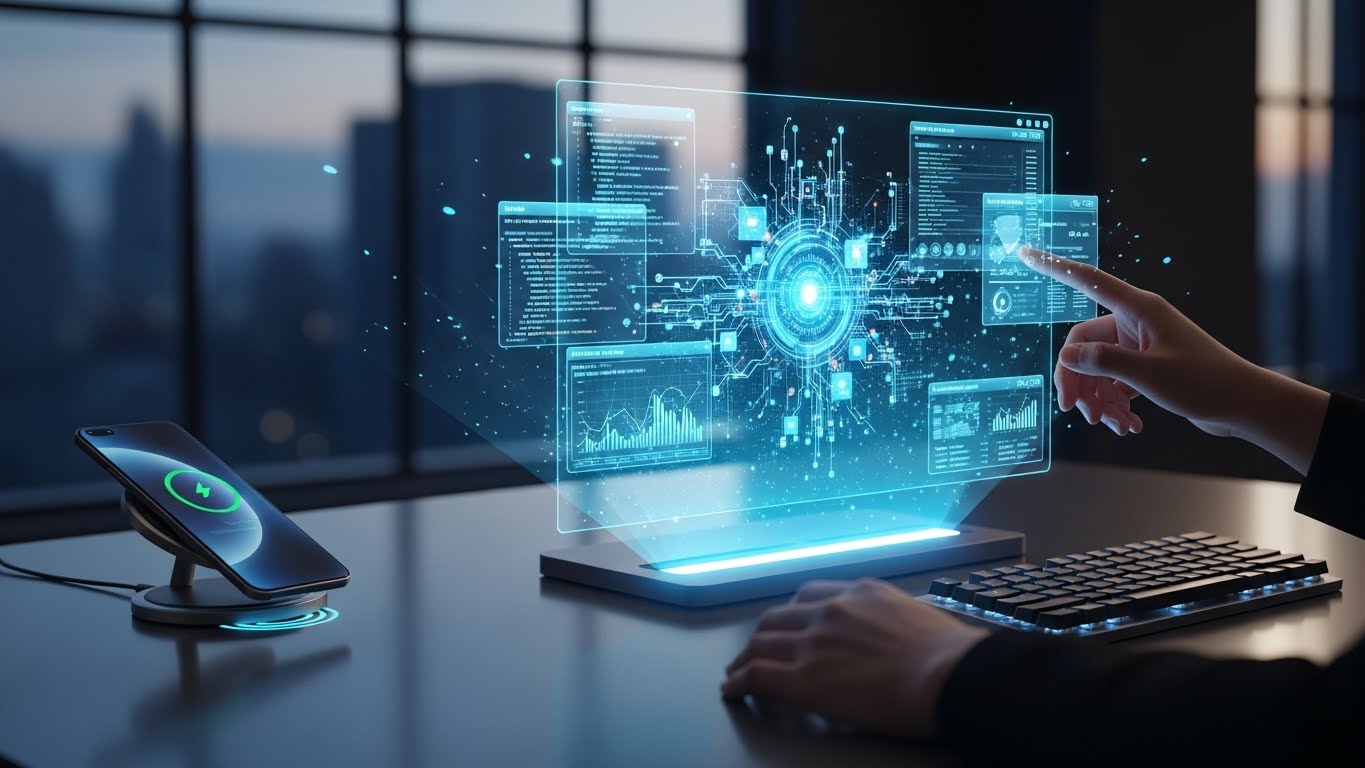
Artificial Intelligence (AI) has emerged as one of the most transformative forces in technology. AI refers to the simulation of human intelligence in machines that can perform tasks such as reasoning, learning, problem-solving, and decision-making. AI technologies are now embedded in various sectors, including healthcare, finance, education, and transportation.
In healthcare, AI algorithms analyze vast amounts of medical data to assist in diagnosing diseases, predicting patient outcomes, and recommending personalized treatment plans. AI-powered diagnostic tools are particularly effective in detecting conditions like cancer, where early detection can save lives. Additionally, AI is revolutionizing drug discovery by accelerating the identification of potential therapeutic compounds, reducing the time and cost of developing new medications.
In the business world, AI enhances decision-making by analyzing market trends, customer preferences, and operational data. Companies use AI to optimize supply chains, predict sales, and automate repetitive tasks. Chatbots and virtual assistants have also transformed customer service by providing instant responses to queries and improving user experience.
The Internet of Things and Smart Connectivity
The Internet of Things (IoT) refers to a network of interconnected devices that communicate with each other and exchange data over the internet. IoT has redefined how we interact with technology, enabling the creation of smart homes, smart cities, and intelligent industrial systems.
In smart homes, IoT devices such as thermostats, lighting systems, and security cameras can be controlled remotely using smartphones or voice commands. These devices enhance convenience, energy efficiency, and security. For example, smart thermostats learn user preferences and adjust the temperature automatically, reducing energy consumption and utility bills.
Smart cities leverage IoT to improve urban living. Traffic management systems use real-time data to reduce congestion, while smart waste management systems optimize garbage collection routes. IoT also plays a crucial role in environmental monitoring, allowing cities to track air and water quality, detect pollution, and take corrective measures promptly.
Industrial IoT, often referred to as Industry 4.0, is transforming manufacturing and logistics. Sensors embedded in machinery collect data on equipment performance, enabling predictive maintenance and minimizing downtime. IoT also facilitates supply chain optimization by providing real-time visibility into inventory, shipments, and production processes.
Cloud Computing: The Backbone of Modern Technology
Cloud computing has revolutionized the way businesses store, process, and access data. Instead of relying on local servers and hardware, organizations can use cloud services to access computing resources on-demand over the internet. This shift has led to increased scalability, flexibility, and cost-efficiency.
Cloud computing offers several models, including Infrastructure as a Service (IaaS), Platform as a Service (PaaS), and Software as a Service (SaaS). IaaS provides virtualized computing resources, such as servers and storage, while PaaS offers platforms for developing and deploying applications. SaaS delivers software applications over the internet, eliminating the need for local installation and maintenance.
One of the key advantages of cloud computing is data accessibility. Employees can access files and applications from anywhere in the world, promoting remote work and collaboration. Cloud computing also enhances data security through encryption, regular backups, and disaster recovery solutions.
Moreover, cloud technology underpins emerging trends like AI and IoT by providing the computational power and storage necessary for handling massive datasets. Cloud-based AI services allow businesses to implement machine learning models without investing in expensive infrastructure, democratizing access to advanced technologies.
The Evolution of Mobile Technology
Mobile technology has transformed communication, entertainment, and commerce. Smartphones, in particular, have become indispensable tools, combining computing power, internet connectivity, and a wide range of applications in a single device. Mobile technology continues to evolve, driven by advancements in hardware, software, and connectivity.
The introduction of 5G networks marks a significant leap in mobile technology. With higher speeds, lower latency, and greater capacity, 5G enables new applications such as augmented reality (AR), virtual reality (VR), and autonomous vehicles. 5G also supports the proliferation of IoT devices by providing reliable and fast connectivity for millions of connected devices simultaneously.
Mobile applications have revolutionized industries such as banking, transportation, healthcare, and entertainment. Mobile banking apps allow users to perform financial transactions, pay bills, and manage investments on-the-go. Ride-hailing services have transformed urban mobility, while mobile health apps help individuals monitor their fitness, track symptoms, and access telemedicine consultations.
The integration of AI into mobile devices has further enhanced user experience. Voice assistants, personalized recommendations, and predictive text input are just a few examples of how AI makes mobile technology smarter and more intuitive.
Cybersecurity: Protecting the Digital World
As technology advances, the importance of cybersecurity has never been greater. Cyber threats are becoming increasingly sophisticated, targeting individuals, businesses, and governments. Protecting sensitive data, networks, and digital infrastructure is essential in a world where cyberattacks can have devastating consequences.
Cybersecurity encompasses a range of practices, including encryption, firewalls, intrusion detection systems, and multi-factor authentication. Organizations implement these measures to safeguard their data and ensure compliance with privacy regulations.
The rise of ransomware attacks, phishing scams, and data breaches underscores the need for continuous vigilance. Cybersecurity professionals play a critical role in identifying vulnerabilities, responding to incidents, and developing strategies to prevent future attacks.
Emerging technologies such as AI and blockchain also contribute to cybersecurity. AI can detect unusual patterns of behavior and flag potential threats in real-time, while blockchain provides a decentralized and tamper-proof way of storing data, enhancing trust and security in digital transactions.
Blockchain Technology: Beyond Cryptocurrencies
Blockchain technology has gained prominence as the underlying technology behind cryptocurrencies, but its potential extends far beyond digital currencies. Blockchain is a decentralized ledger that records transactions securely and transparently, making it ideal for applications that require trust, traceability, and accountability.
In supply chain management, blockchain enables end-to-end visibility of products, ensuring authenticity and reducing fraud. Each transaction or movement of goods is recorded on the blockchain, creating a permanent and verifiable record.
In finance, blockchain facilitates faster and more secure cross-border payments, reducing reliance on intermediaries and lowering transaction costs. Smart contracts, which are self-executing agreements stored on the blockchain, automate complex processes and reduce the risk of disputes.
Blockchain also has applications in healthcare, voting systems, intellectual property management, and identity verification. By providing a decentralized and immutable record of data, blockchain enhances transparency, security, and efficiency in various industries.
The Role of Robotics and Automation
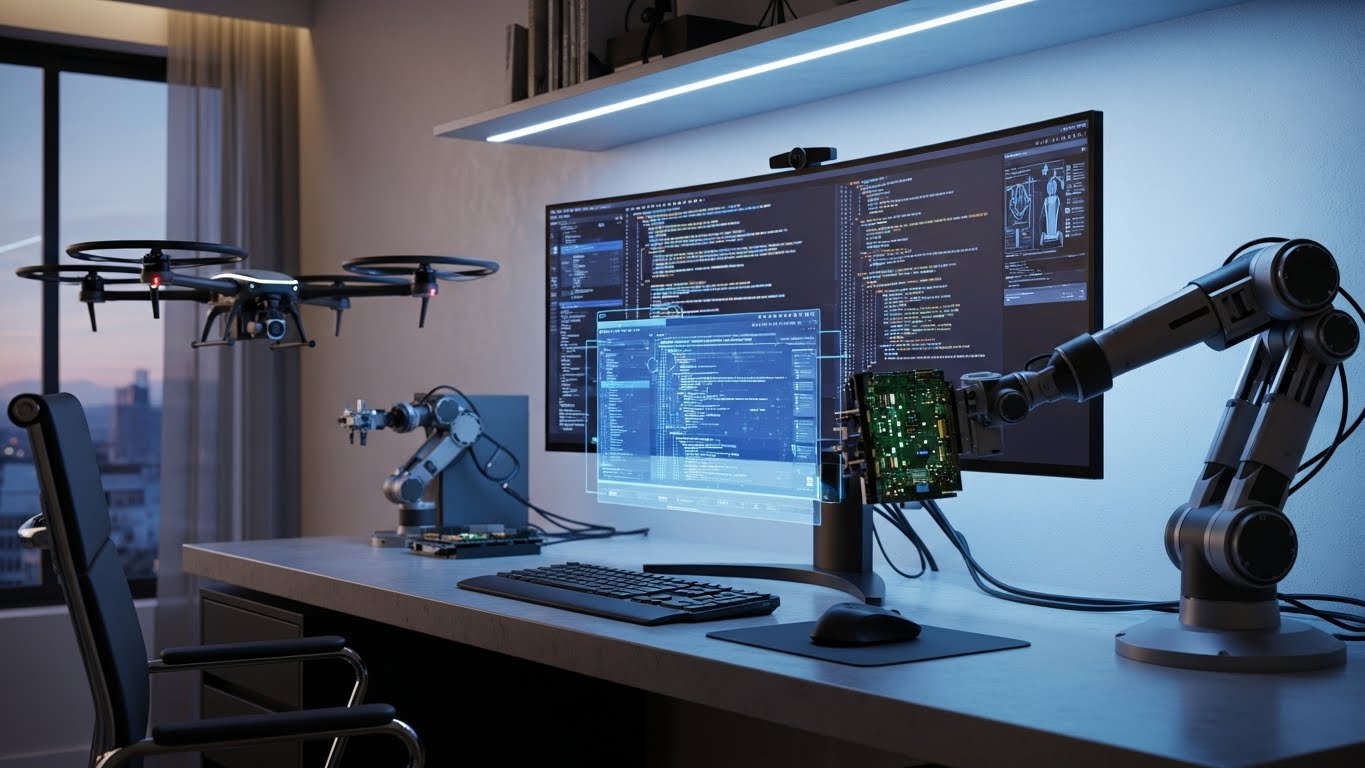
Robotics and automation are transforming industries by increasing efficiency, precision, and safety. Robots are used in manufacturing, logistics, healthcare, agriculture, and even domestic settings, performing tasks that are repetitive, dangerous, or require high accuracy.
In manufacturing, industrial robots assemble products, weld components, and perform quality inspections with unmatched precision. Automation reduces human error, increases production speed, and lowers operational costs.
Healthcare robotics includes surgical robots, rehabilitation devices, and robotic exoskeletons. Surgical robots allow surgeons to perform minimally invasive procedures with enhanced precision, reducing recovery time and improving patient outcomes.
Agricultural robots assist with planting, harvesting, and monitoring crops. These machines optimize resource usage, reduce labor costs, and improve crop yields. Similarly, logistics and warehouse automation streamline inventory management, order fulfillment, and delivery processes.
As technology advances, collaborative robots, or cobots, are being developed to work alongside humans safely. Cobots enhance human productivity by handling repetitive tasks while allowing humans to focus on complex problem-solving.
Virtual Reality and Augmented Reality
Virtual Reality (VR) and Augmented Reality (AR) are reshaping how we experience digital content. VR immerses users in a completely virtual environment, while AR overlays digital information onto the real world. Both technologies have applications in gaming, education, healthcare, real estate, and marketing.
In gaming, VR provides fully immersive experiences, allowing players to interact with virtual worlds in ways previously unimaginable. AR games integrate digital elements into real-world environments, creating interactive and engaging experiences.
In education, VR and AR enhance learning by providing interactive simulations and visualizations. Medical students can practice surgeries in virtual environments, while AR apps help students explore complex concepts in science, history, and engineering.
The real estate industry uses VR to offer virtual property tours, enabling potential buyers to explore homes remotely. AR enhances shopping experiences by allowing customers to visualize products in their own environment before making a purchase.
Emerging Trends in Technology
The technology landscape is constantly evolving, with new trends shaping the future. Some of the most promising areas include quantum computing, biotechnology, autonomous vehicles, and renewable energy technologies.
Quantum computing has the potential to solve problems that are currently impossible for classical computers, including complex simulations, cryptography, and optimization challenges. Although still in its early stages, quantum computing promises to revolutionize fields such as medicine, finance, and material science.
Biotechnology leverages technology to manipulate biological systems for medical, agricultural, and industrial applications. Gene editing, synthetic biology, and personalized medicine are transforming healthcare and opening new frontiers in science.
Autonomous vehicles, powered by AI, sensors, and advanced algorithms, are poised to revolutionize transportation. Self-driving cars, drones, and delivery robots promise safer, more efficient, and environmentally friendly mobility solutions.
Renewable energy technologies, such as solar, wind, and energy storage, are advancing rapidly. Smart grids, energy-efficient buildings, and electric vehicles are driving the transition to a sustainable and low-carbon future.
The Impact of Technology on Society
Technology has profound social, economic, and cultural implications. It has transformed communication, education, work, and entertainment, creating a more interconnected world. Social media platforms, messaging apps, and video conferencing tools allow people to connect globally, breaking down geographical barriers.
In education, technology has expanded access to learning resources and enabled online courses, virtual classrooms, and personalized learning experiences. Students can now acquire knowledge at their own pace and explore subjects beyond traditional curricula.
In the workplace, technology has automated routine tasks, enabling employees to focus on creative and strategic activities. Remote work, facilitated by cloud computing and communication tools, has become a norm, offering flexibility and work-life balance.
However, technology also presents challenges, including privacy concerns, digital addiction, and job displacement due to automation. Addressing these challenges requires responsible innovation, ethical guidelines, and policies that prioritize human well-being.
Conclusion: Embracing the Future of Technology
Technology is an ever-evolving force that shapes every aspect of modern life. From artificial intelligence and the Internet of Things to cloud computing, robotics, and blockchain, technological innovations continue to redefine how we live, work, and interact. The rapid pace of change presents both opportunities and challenges, requiring individuals, businesses, and governments to adapt and innovate continuously.
As we move forward, embracing technology responsibly will be crucial to harnessing its full potential while mitigating risks. By staying informed, fostering creativity, and prioritizing ethical considerations, we can ensure that technology serves as a powerful tool for progress, empowerment, and a better future for all.