The Future Is Now: How Technology is Transforming Our World
Introduction: A World Transformed by Innovation
Technology has always been the driving force behind human progress. From the earliest tools crafted by our ancestors to the latest advancements in artificial intelligence, it’s clear that innovation has shaped the way we live, work, and communicate. In today’s fast-paced world, technological changes occur almost daily, and the rate of innovation is accelerating like never before. The future, once something we only imagined, is quickly becoming our reality.
The Rise of Artificial Intelligence: Changing the Game
Artificial Intelligence (AI) is no longer just a concept of science fiction; it’s a tangible force shaping industries and everyday life. From self-driving cars to virtual assistants like Siri and Alexa, AI is transforming how we interact with machines and how we experience the world around us. But AI’s impact goes much deeper than just convenience; it’s improving decision-making processes in fields like healthcare, finance, and education.
In healthcare, AI-powered systems are already helping doctors make more accurate diagnoses, analyzing medical images with precision that rivals human experts. In finance, AI algorithms are being used to predict market trends and detect fraud in real time. As AI continues to evolve, it’s expected to disrupt even more industries, creating new opportunities while also raising important ethical and privacy concerns.
The Internet of Things: A Connected World
The Internet of Things (IoT) is another technological advancement that’s becoming an integral part of our daily lives. IoT refers to the interconnected network of physical devices that communicate and exchange data with each other over the internet. Think of smart home devices like thermostats, security cameras, or wearable fitness trackers. These devices are designed to make life more convenient, efficient, and secure.
But IoT is not just limited to consumer gadgets; it’s transforming industries as well. In agriculture, IoT devices can monitor soil moisture and crop health, helping farmers optimize their yield. In manufacturing, sensors on machines can predict when they need maintenance, reducing downtime and improving efficiency. As IoT devices become more widespread, they promise to create smarter homes, cities, and businesses.
Blockchain: Redefining Security and Trust
Blockchain technology, often associated with cryptocurrencies like Bitcoin, is rapidly gaining traction beyond the realm of digital currency. At its core, blockchain is a decentralized digital ledger that records transactions across multiple computers in a way that ensures transparency and security. This makes it an ideal solution for industries where trust and verification are critical, such as finance, healthcare, and supply chain management.
One of the most promising aspects of blockchain is its ability to reduce fraud and enhance transparency. By creating an immutable record of transactions, blockchain makes it virtually impossible to alter past data, which is crucial for industries like banking, where integrity is paramount. Beyond finance, blockchain is being explored for applications in secure voting systems, traceability in supply chains, and even in protecting intellectual property rights.
The Power of Cloud Computing: Accessing Data Anywhere
Cloud computing has revolutionized the way businesses and individuals store and access data. Instead of relying on physical hardware or local servers, the cloud allows users to store data on remote servers accessible via the internet. This has made it easier than ever for businesses to scale operations, collaborate across geographies, and provide on-demand services to customers.
For consumers, cloud computing means that photos, documents, and other media can be accessed from any device, anywhere, without worrying about storage limitations. This shift has also paved the way for Software-as-a-Service (SaaS) solutions, where applications like Google Drive, Microsoft 365, and Adobe Creative Cloud are hosted in the cloud, providing users with powerful tools without needing to install complex software locally. The cloud has enabled greater flexibility, cost savings, and global collaboration, making it a foundational pillar of the modern digital economy.
Virtual and Augmented Reality: The New Frontier of Immersive Experiences
Virtual Reality (VR) and Augmented Reality (AR) are two technologies that are pushing the boundaries of how we experience the world. While both offer unique ways to interact with digital content, they differ in how they immerse the user. VR creates a completely immersive digital environment, whereas AR overlays digital elements onto the physical world.
In gaming, VR allows players to enter completely new worlds, experiencing games in ways that traditional consoles and PCs cannot replicate. But beyond entertainment, VR and AR are being used in education, training, and even therapy. For example, VR simulations can train surgeons or pilots in a risk-free environment, and AR is helping workers in warehouses or factories by providing real-time instructions and data overlays. These technologies are quickly evolving, and as they become more accessible, they are expected to revolutionize multiple industries.
Sustainability and Green Tech: Technology for a Better Planet
As climate change becomes an increasingly urgent global challenge, technology is playing a critical role in driving sustainability. Renewable energy sources like solar and wind power are growing more efficient and cost-effective, while innovations in energy storage are helping to solve the problem of intermittent power generation. Electric vehicles (EVs) are becoming mainstream, and advancements in battery technology are helping to make them more affordable and practical for everyday use.
Additionally, technology is helping industries reduce their carbon footprint. Smart grids, for instance, allow energy providers to manage demand and supply more efficiently, reducing waste. Similarly, advances in materials science are leading to the creation of sustainable alternatives to plastics, and AI is being used to optimize resource management in agriculture and manufacturing. The rise of green tech not only promises to reduce our impact on the environment but also opens up new economic opportunities as the world transitions to a more sustainable future.
The Future of Work: Automation and Human Collaboration
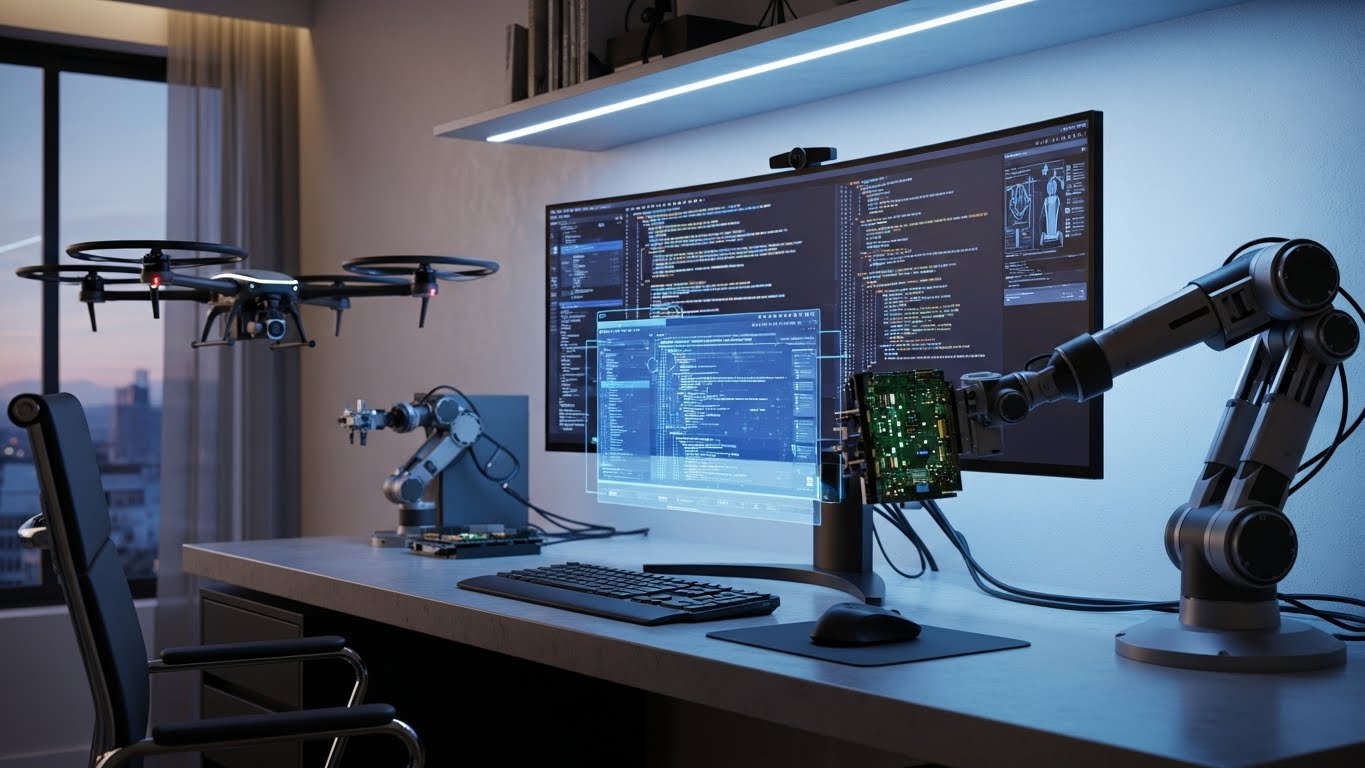
Automation is one of the most discussed topics in the tech world, and for good reason. Technologies like robotics, AI, and machine learning are increasingly capable of performing tasks that were once reserved for humans. In industries like manufacturing, logistics, and retail, robots are taking over repetitive tasks, improving efficiency, and reducing human error.
However, rather than replacing humans entirely, many experts believe that automation will augment human capabilities, enabling people to focus on more complex and creative tasks. For example, AI may handle data analysis and pattern recognition, freeing up human workers to make strategic decisions. The challenge will be ensuring that workers are equipped with the skills needed to thrive in this new era of work, which means investing in education and reskilling initiatives.
Conclusion: Embracing the Potential of Technology
As technology continues to advance, it’s clear that we’re on the brink of a new era. From AI and blockchain to green tech and immersive reality, innovations are transforming how we live, work, and interact with the world. While these advancements bring tremendous benefits, they also pose new challenges, from ensuring data privacy to preparing the workforce for automation. The key to navigating this future will be embracing the potential of technology while balancing it with ethical considerations and social responsibility.
We are living in an age of technological marvels, and the future promises even more incredible developments. By staying informed, adaptable, and open-minded, we can harness the power of technology to create a better, more connected, and sustainable world.