The Future of Technology: How Innovations are Shaping Our World

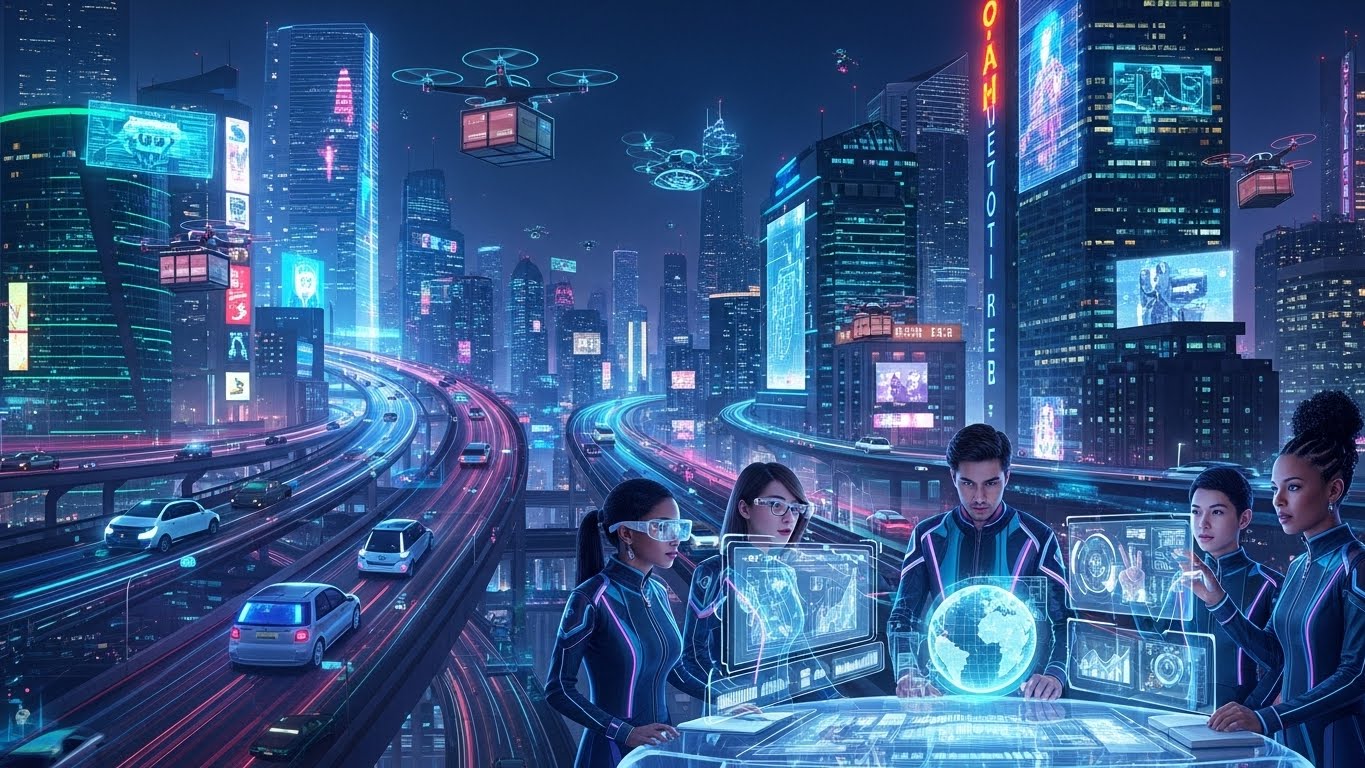
Technology is no longer just a tool; it has become an integral part of daily life, transforming the way we live, work, and interact. From smartphones that connect us to the world instantly, to artificial intelligence that powers complex systems, technology is redefining the boundaries of human potential. In this article, we explore some of the most impactful technological trends, their implications, and what the future might hold.
The Rise of Artificial Intelligence
Artificial Intelligence (AI) has emerged as one of the most revolutionary technologies of the 21st century. Unlike traditional software, AI systems can learn from data, adapt to new inputs, and perform tasks that once required human intelligence. Applications of AI span across multiple sectors including healthcare, finance, transportation, and entertainment.
In healthcare, AI algorithms analyze vast amounts of medical data to assist doctors in diagnosing diseases more accurately. AI-powered imaging systems can detect anomalies in X-rays and MRI scans with precision that rivals human experts. In finance, AI is transforming risk assessment, fraud detection, and trading. Algorithms can process millions of transactions in seconds, identifying patterns that would be impossible for humans to detect.
The evolution of AI also raises important ethical considerations. The potential for job displacement, privacy concerns, and biased decision-making are challenges that society must address alongside technological development. Nonetheless, the ongoing progress in AI promises a future where machines and humans collaborate to solve complex problems more efficiently than ever before.
Blockchain: Beyond Cryptocurrency
Blockchain technology is widely recognized as the foundation of cryptocurrencies like Bitcoin, but its potential extends far beyond digital money. At its core, blockchain is a decentralized ledger that records transactions securely and transparently. This technology is transforming industries that rely on trust, verification, and record-keeping.
Supply chain management, for example, benefits greatly from blockchain. By providing an immutable record of every step in the production and delivery process, companies can ensure product authenticity, reduce fraud, and increase transparency for consumers. In the financial sector, blockchain enables secure and fast cross-border transactions without the need for traditional intermediaries.
Moreover, blockchain is finding applications in voting systems, digital identity verification, and intellectual property protection. As the technology matures, it is likely to play a pivotal role in creating a more secure and transparent digital world.
The Internet of Things: A Connected World
The Internet of Things (IoT) refers to the network of interconnected devices that collect and exchange data. From smart homes to industrial automation, IoT is transforming how humans interact with their environment.
Smart home devices, such as thermostats, security cameras, and voice assistants, provide convenience and efficiency. They learn user habits and adjust settings automatically, enhancing comfort while saving energy. In industrial settings, IoT sensors monitor machinery and production lines, allowing companies to predict maintenance needs and prevent costly breakdowns.
IoT also has significant implications for urban planning and environmental monitoring. Smart cities use IoT networks to manage traffic, monitor air quality, and optimize public services. By integrating technology into infrastructure, cities can improve quality of life while reducing environmental impact.
Quantum Computing: Unlocking Unprecedented Power
Quantum computing represents a radical shift in computational capability. Unlike classical computers that use bits to represent data as 0s or 1s, quantum computers use qubits, which can exist in multiple states simultaneously. This property, known as superposition, combined with entanglement, allows quantum computers to perform calculations at speeds unimaginable for traditional systems.
The potential applications of quantum computing are immense. In pharmaceuticals, quantum computers can model complex molecules to accelerate drug discovery. In cryptography, they can both break current encryption standards and develop new, more secure methods of data protection. In logistics and optimization, quantum algorithms can solve problems that involve millions of variables in ways that classical computers cannot.
While quantum computing is still in its experimental phase, ongoing research and investment indicate that it will play a transformative role in science, technology, and industry in the coming decades.
Augmented and Virtual Reality: Redefining Human Experience
Augmented Reality (AR) and Virtual Reality (VR) are reshaping how we experience the world. AR overlays digital information onto the physical environment, enhancing real-world experiences. VR, on the other hand, immerses users in entirely digital environments, offering experiences that were once the realm of science fiction.
In entertainment, AR and VR have revolutionized gaming and storytelling, creating interactive worlds that engage users like never before. In education and training, immersive simulations allow students and professionals to practice complex tasks in safe, controlled environments. Medical students can perform virtual surgeries, and pilots can train in realistic flight simulators without risk.
The retail and real estate industries are also leveraging AR and VR to enhance customer experiences. Shoppers can visualize products in their homes before making purchases, and prospective buyers can tour properties virtually from anywhere in the world. As hardware becomes more affordable and software more sophisticated, AR and VR are poised to become integral to everyday life.
Renewable Energy Technology: Powering a Sustainable Future
As the world faces climate change and energy scarcity, renewable energy technology is critical for a sustainable future. Advances in solar, wind, and energy storage technologies are enabling a shift away from fossil fuels.
Solar panels have become more efficient and affordable, making solar energy accessible to households and businesses alike. Wind turbines are growing in size and sophistication, capturing more energy from natural resources. Battery technology is evolving rapidly, allowing energy storage on a scale that can stabilize power grids and reduce dependence on traditional energy sources.
In addition, smart grids integrate renewable energy with advanced monitoring systems, optimizing energy distribution and reducing waste. These technologies are not only environmentally beneficial but also economically advantageous, creating new opportunities in clean energy sectors.
Cybersecurity: Protecting a Digital World
As technology becomes more pervasive, the importance of cybersecurity grows exponentially. Cyber threats are increasingly sophisticated, targeting individuals, corporations, and governments alike. Protecting sensitive data and digital infrastructure is essential for economic stability, national security, and personal privacy.
Advanced cybersecurity technologies, such as AI-driven threat detection and encryption, are evolving to counter these risks. Companies are investing heavily in security protocols to prevent breaches, safeguard intellectual property, and maintain customer trust. Awareness and education also play a crucial role, as even the most secure systems are vulnerable to human error.
The future of cybersecurity will involve proactive threat anticipation, continuous monitoring, and international collaboration to create a safer digital environment.
The Ethical Dimension of Technology
With technological advancement comes the responsibility to address ethical considerations. Issues such as data privacy, algorithmic bias, AI-driven decision-making, and environmental impact are at the forefront of tech discourse. Society must ensure that technological progress aligns with human values and social well-being.
Policymakers, technologists, and citizens must collaborate to establish guidelines that promote ethical innovation. Transparent practices, equitable access, and accountability will be key in shaping a technological landscape that benefits all members of society.
Conclusion: Embracing the Tech-Driven Future
Technology is no longer a passive tool; it is a dynamic force shaping every aspect of human life. From artificial intelligence to renewable energy, from quantum computing to immersive reality, innovations are transforming the way we live, work, and interact. While challenges remain—ethical dilemmas, security risks, and societal adjustments—the potential benefits of technological progress are immense.
Embracing these advancements with a balanced perspective, guided by ethical considerations and thoughtful planning, will allow humanity to harness technology’s full potential. The future is not just approaching; it is being built today, one innovation at a time. By understanding and engaging with these technological trends, we are not just spectators but active participants in shaping a world that is smarter, more connected, and profoundly transformative.