The Next Frontier in Technology: Innovations Redefining Our Future
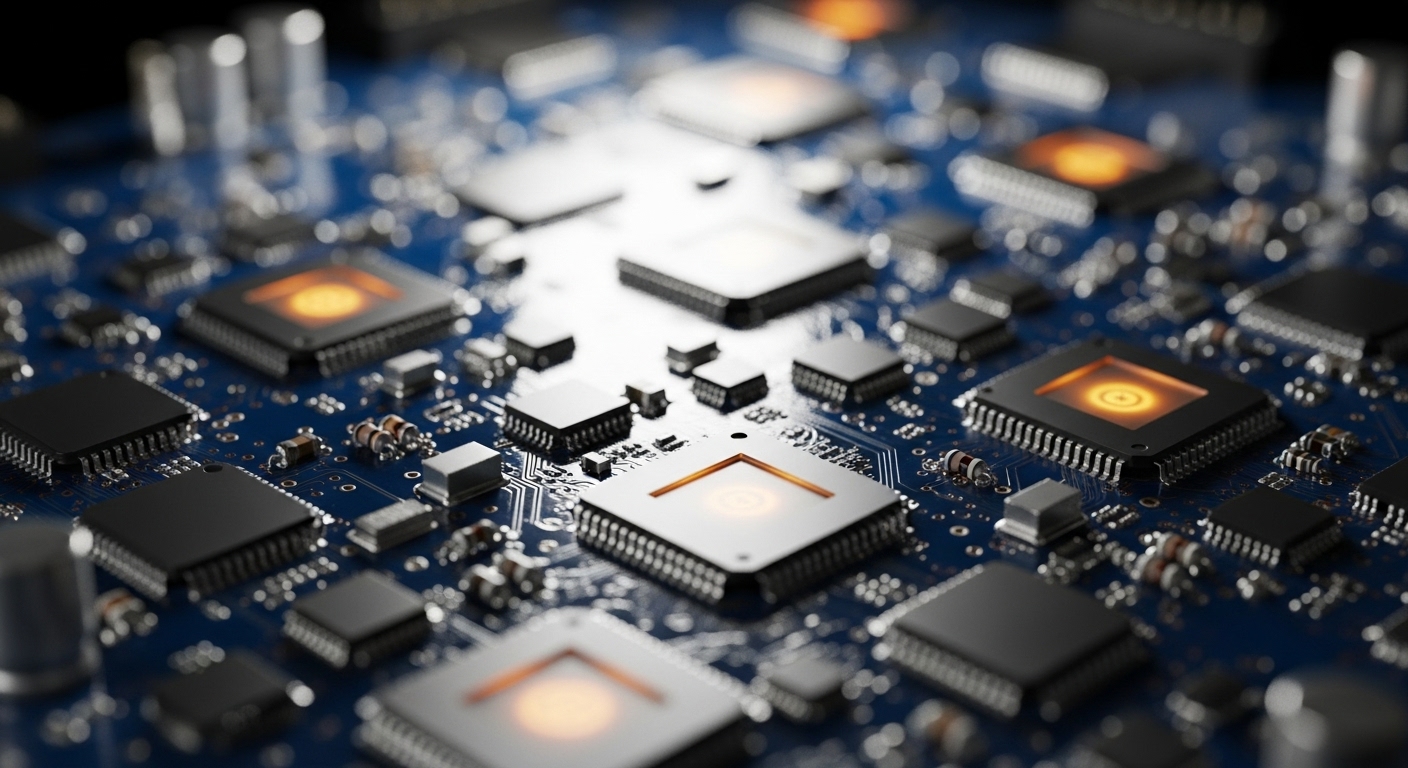
In today’s fast-paced world, technology is evolving faster than ever before, continually reshaping industries, economies, and even the way we interact with the world around us. From groundbreaking developments in artificial intelligence to the rise of 5G and the promise of quantum computing, we’re at the cusp of a technological revolution that is bound to impact every facet of life. In this blog post, we’ll take a closer look at the most exciting tech trends and innovations that are poised to transform our future.
Artificial Intelligence: Revolutionizing Industries with Smart Solutions
Artificial Intelligence (AI) has evolved from a mere concept into a game-changing technology that is now embedded in various industries. AI is not just about automating tasks; it’s about enabling machines to learn from experience, adapt to new data, and make decisions with minimal human intervention.
In the healthcare industry, AI is being used to analyze medical images, predict patient outcomes, and even assist in robotic surgeries. It’s also helping businesses improve customer experiences by offering personalized recommendations and automating customer service. AI’s ability to process vast amounts of data quickly and accurately makes it a powerful tool across sectors, and its potential is only growing. As we move forward, AI is expected to become more advanced, tackling increasingly complex problems and driving innovation across every industry.
Quantum Computing: Pushing the Boundaries of Processing Power
Quantum computing is often described as the next frontier in technology, with the potential to revolutionize fields like cryptography, medicine, and materials science. Unlike classical computers that use bits to process data as either 0 or 1, quantum computers use qubits, which can exist in multiple states at once, enabling them to perform many calculations simultaneously.
This ability allows quantum computers to solve problems much faster than traditional machines, especially when dealing with massive datasets or complex simulations. For example, in drug discovery, quantum computers could simulate molecular structures in ways that are not possible with today’s technology, speeding up the process of finding new medications. Similarly, quantum computing could enhance encryption methods, making digital transactions and communication more secure. While quantum computing is still in its early stages, its potential is vast, and researchers are working tirelessly to unlock its full capabilities.
The Rise of 5G: Transforming Connectivity and Communication
The rollout of 5G technology is one of the most eagerly anticipated developments in the tech world. Offering faster speeds, lower latency, and increased connectivity, 5G has the potential to revolutionize not just the way we connect to the internet, but how we interact with the world around us.
With 5G, download speeds will be significantly faster, allowing for near-instantaneous access to data. This is especially important for technologies like autonomous vehicles, which require real-time data transmission to operate safely. 5G will also enable more reliable connections for emerging technologies like augmented reality (AR) and virtual reality (VR), which demand high-speed internet to deliver smooth, immersive experiences. Additionally, 5G will provide the infrastructure needed to support the Internet of Things (IoT), enabling billions of connected devices to communicate seamlessly and efficiently.
Robotics and Automation: The Future of Work and Daily Life
Robotics and automation are already reshaping industries from manufacturing to healthcare, and their influence is only set to grow. Robots are becoming more intelligent, capable of performing a wider range of tasks that were once thought to be too complex for machines.
In manufacturing, robots are now working alongside humans to increase efficiency and precision. In healthcare, robotic surgical systems are assisting doctors with minimally invasive procedures, while robotic exoskeletons are helping patients regain mobility. Automation is also making its way into industries like agriculture, logistics, and even food service, where robots can perform repetitive tasks, allowing humans to focus on higher-level responsibilities. As robots become more advanced, the future of work will likely see a greater division of labor between humans and machines, with robots handling manual, repetitive tasks while humans focus on more creative and strategic roles.
The Internet of Things: Creating Smarter, More Connected Worlds
The Internet of Things (IoT) refers to the network of devices—ranging from smartphones and smartwatches to home appliances and industrial machines—that are connected to the internet and can communicate with each other. The IoT is already transforming everyday life, making it more efficient, convenient, and connected.
In the home, IoT devices like smart thermostats, security cameras, and refrigerators are providing homeowners with greater control and convenience. Smart cities are also using IoT technology to improve urban infrastructure, from optimizing traffic flow to monitoring air quality. In industries like agriculture and healthcare, IoT devices are collecting and transmitting data in real-time, enabling more efficient operations and better decision-making. As the number of connected devices continues to grow, the IoT will become an integral part of daily life, offering new ways to enhance productivity, sustainability, and convenience.
Blockchain Technology: Redefining Trust and Security
Blockchain technology is most commonly associated with cryptocurrencies like Bitcoin, but its applications go far beyond digital currencies. At its core, blockchain is a decentralized and secure method of recording and verifying transactions. By creating a distributed ledger that is transparent and tamper-resistant, blockchain ensures trust and accountability without the need for intermediaries.
In finance, blockchain is being used to streamline payments, reduce fraud, and increase transparency. In supply chain management, it is helping to track the origin and movement of goods, ensuring that products are authentic and ethically sourced. Blockchain is also being explored for use in sectors like healthcare, voting, and real estate, where secure, transparent record-keeping is critical. As blockchain technology matures, it has the potential to transform industries by providing more secure, efficient, and transparent ways to handle data and transactions.
Augmented and Virtual Reality: Expanding How We Experience the World
Augmented reality (AR) and virtual reality (VR) are two technologies that are rapidly evolving and changing the way we interact with digital content. AR overlays digital information onto the real world, enhancing our surroundings with interactive elements, while VR creates fully immersive virtual environments.
In gaming, AR and VR are already delivering groundbreaking experiences that allow players to step into new worlds. But the potential of these technologies extends far beyond entertainment. In education, VR is being used to create immersive learning experiences, allowing students to explore historical sites or conduct virtual science experiments. In healthcare, AR is assisting surgeons during operations by providing real-time data, and VR is being used for pain management and rehabilitation. As AR and VR technologies become more advanced and accessible, they are set to redefine everything from entertainment to education to healthcare.
The Future of Tech: Endless Opportunities and Challenges
The rapid pace of technological advancement is both exciting and daunting. Innovations like artificial intelligence, quantum computing, 5G, and blockchain are opening up new possibilities for solving complex problems and creating efficiencies across industries. However, these technologies also raise important ethical, privacy, and security concerns that need to be addressed as we move forward.
As we continue to integrate these technologies into our daily lives, it’s crucial to ensure that they are developed and deployed responsibly. The future of technology is filled with limitless opportunities, but also challenges that require careful consideration. By embracing innovation while balancing ethical considerations, we can create a future where technology works for everyone, enhancing our lives and improving the world around us.
In the coming years, the tech landscape will continue to evolve, offering new tools and solutions to help us tackle the world’s most pressing challenges. The journey ahead is filled with possibilities, and the only certainty is that technology will play a central role in shaping the future.