The Technological Revolution: How Innovation Shapes Our World
Technology has fundamentally transformed the way humans live, work, and interact. Over the past century, advancements in computing, communication, and artificial intelligence have not only increased efficiency but also created entirely new industries and opportunities. From the earliest tools to the cutting-edge innovations of today, technology continues to redefine boundaries and shape the global landscape. This blog will explore the evolution of technology, its impact across various sectors, emerging trends, and the implications for the future.
The Evolution of Technology
The history of technology is a story of human ingenuity. Early innovations such as the wheel, the printing press, and the steam engine enabled humans to manipulate their environment, communicate more effectively, and improve productivity. Each technological leap transformed society in profound ways, laying the foundation for industrial revolutions and modern economies.
The 20th century marked a period of accelerated innovation with the invention of the computer, the internet, and mobile devices. These advancements facilitated instantaneous communication, global commerce, and widespread access to information. Technology no longer remained a tool; it became an integral part of daily life.
The 21st century has ushered in the era of digital transformation. Artificial intelligence, machine learning, biotechnology, and cloud computing are redefining industries and enabling new forms of human interaction. The pace of innovation has never been faster, and the impact on society is both profound and far-reaching.
Computing and Information Technology
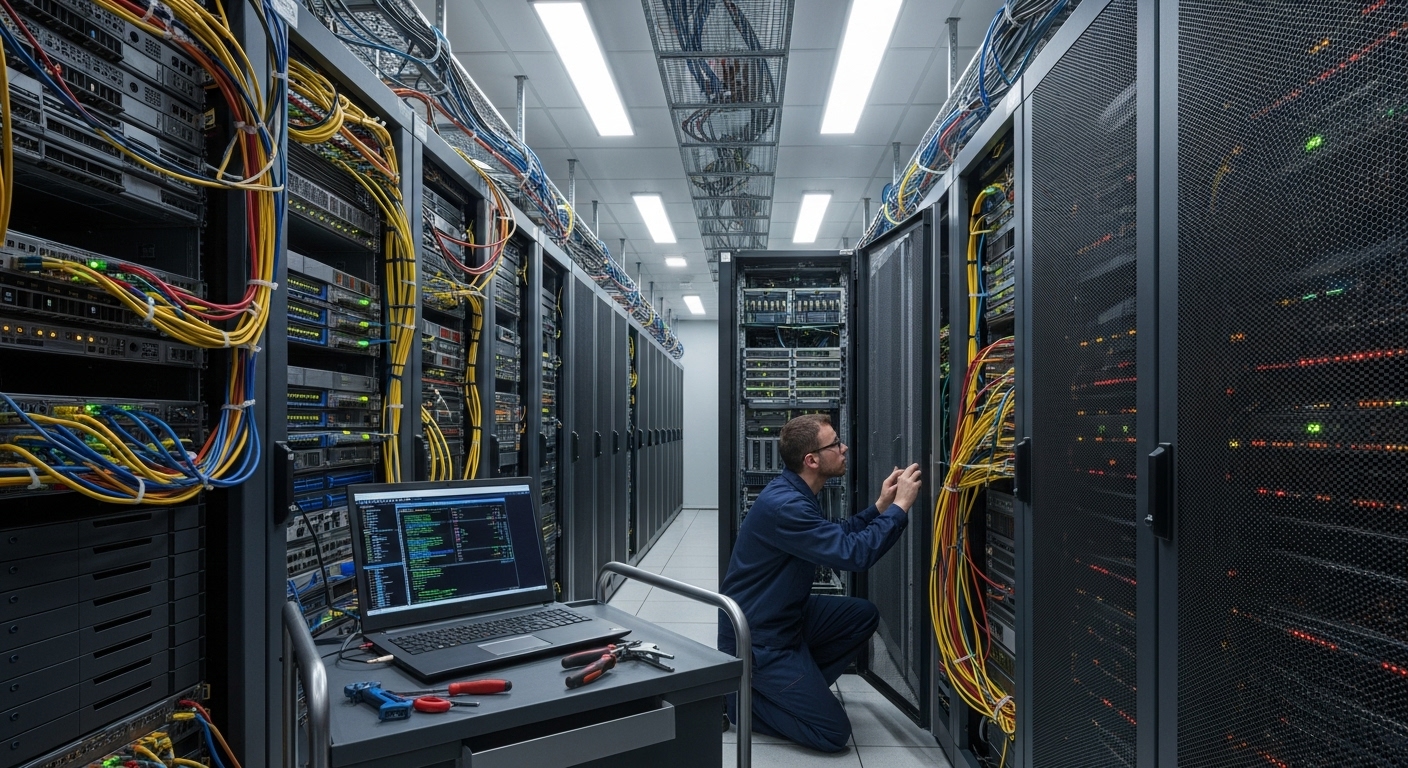
Information technology forms the backbone of modern society. Computers, servers, and cloud infrastructure enable organizations to manage vast amounts of data, streamline operations, and deliver personalized experiences. Cloud computing, in particular, has revolutionized how businesses deploy software, store data, and scale resources efficiently.
Advances in computing power have also enabled the development of complex algorithms, artificial intelligence models, and data analytics platforms. Companies can now leverage data to predict trends, optimize processes, and make informed decisions. High-performance computing has applications in fields ranging from scientific research to financial modeling and engineering.
Cybersecurity has become a critical component of information technology. As more devices connect to the internet, protecting sensitive information from cyber threats is paramount. Encryption, multi-factor authentication, and advanced monitoring systems are essential tools in safeguarding digital ecosystems.
Artificial Intelligence and Machine Learning
Artificial intelligence is transforming industries by enabling machines to perform tasks that previously required human intelligence. Machine learning, a subset of AI, allows systems to learn from data, recognize patterns, and make predictions with increasing accuracy.
In healthcare, AI assists in diagnostics, treatment planning, and drug discovery. Algorithms analyze medical images, predict patient outcomes, and identify potential health risks. In finance, AI powers fraud detection, algorithmic trading, and customer service automation. Retailers use AI for personalized recommendations, inventory management, and demand forecasting.
Natural language processing, another branch of AI, has revolutionized human-computer interaction. Virtual assistants, chatbots, and translation services leverage NLP to understand and respond to human language, improving efficiency and accessibility across sectors.
Robotics and Automation
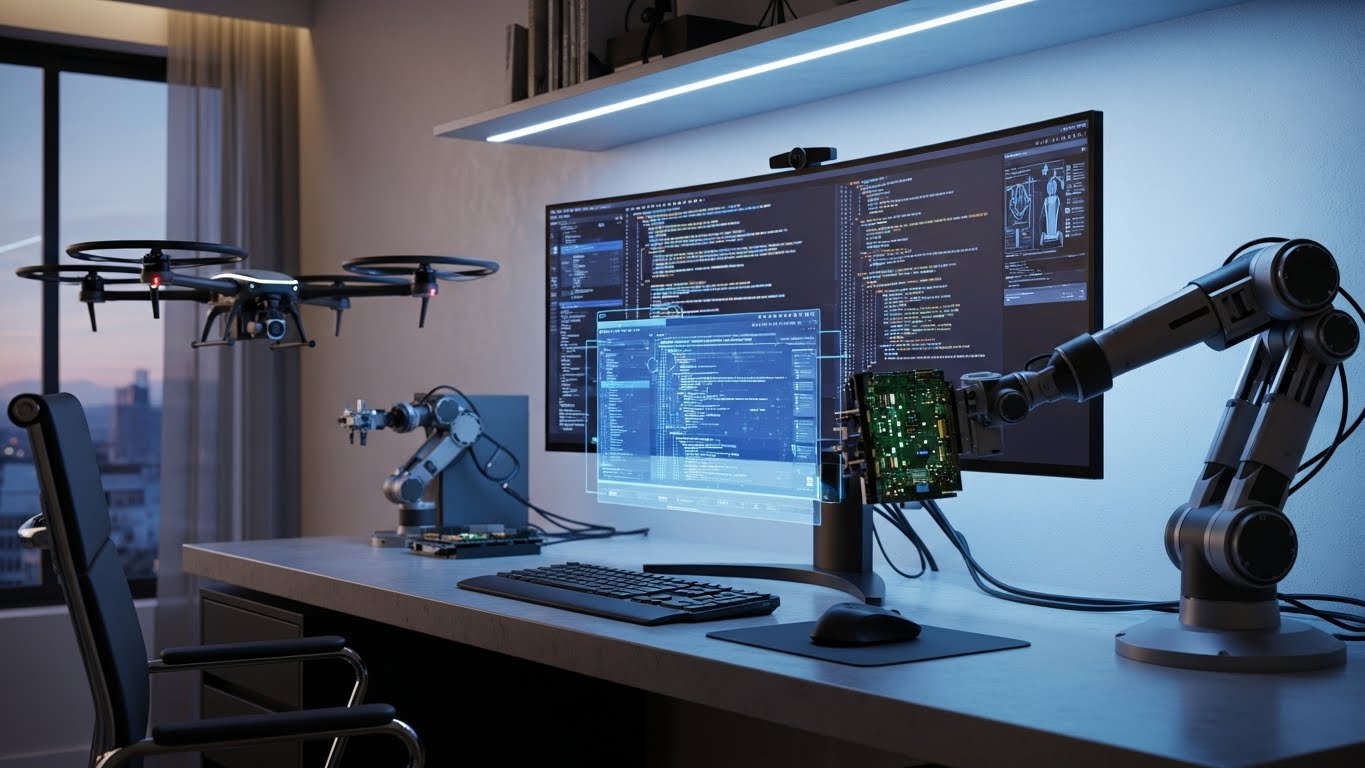
Robotics and automation are reshaping the workforce and industrial processes. In manufacturing, robots perform repetitive tasks with precision, reducing errors and increasing productivity. Automation extends beyond physical tasks to software-based processes, where robotic process automation streamlines administrative workflows, accounting, and customer support.
Autonomous vehicles, drones, and smart machinery are changing transportation, logistics, and delivery systems. These innovations improve efficiency, reduce operational costs, and enhance safety. Robotics also plays a significant role in healthcare, assisting in surgeries, rehabilitation, and patient care.
The integration of robotics and AI creates intelligent systems capable of adapting to changing conditions, making decisions in real time, and collaborating with humans seamlessly. This synergy drives innovation and opens new possibilities for industries worldwide.
Biotechnology and Health Technology
Technology has revolutionized healthcare through biotechnology, medical devices, and digital health solutions. Genetic engineering and genomics have enabled breakthroughs in personalized medicine, allowing treatments to be tailored to individual genetic profiles. Techniques such as CRISPR gene editing hold the potential to cure genetic diseases and enhance human capabilities.
Digital health technologies, including telemedicine, wearable devices, and remote monitoring systems, empower individuals to take control of their health. Patients can track vital signs, receive real-time feedback, and consult with healthcare professionals virtually, improving accessibility and outcomes.
Artificial intelligence enhances diagnostics and treatment planning, while data analytics enables healthcare providers to predict disease outbreaks, optimize resource allocation, and improve patient care strategies. Technology is not only extending life expectancy but also improving the quality of life.
Renewable Energy and Environmental Technology
Technology plays a crucial role in promoting sustainability and addressing climate change. Renewable energy innovations, such as solar panels, wind turbines, and battery storage, provide clean and efficient alternatives to fossil fuels. Smart grids and energy management systems optimize electricity distribution, reduce waste, and improve reliability.
Environmental monitoring technologies track air and water quality, detect pollution, and assess ecosystem health. Advanced recycling systems, waste-to-energy technologies, and sustainable materials contribute to reducing environmental impact. Technological innovation is essential for creating a sustainable future and mitigating the effects of global warming.
Emerging technologies in energy, such as hydrogen fuel cells and carbon capture, further demonstrate how innovation can address pressing environmental challenges while supporting economic growth.
Communication and Connectivity
Modern communication has been transformed by technology. The internet, social media, and mobile devices enable instantaneous interaction across the globe. Messaging apps, video conferencing, and collaborative platforms allow people to connect professionally and personally without geographic constraints.
In education, online learning platforms and virtual classrooms provide access to knowledge for learners worldwide. Students can participate in interactive lessons, access educational resources, and collaborate with peers globally. Augmented reality and virtual reality enhance the learning experience by providing immersive simulations and practical applications.
Technology has also revolutionized media and entertainment. Streaming platforms, digital content creation tools, and social media allow creators to reach global audiences. Consumers can access personalized content on demand, creating a more engaging and interactive entertainment landscape.
The Role of Technology in Business
Technology has become a central driver of business innovation and competitiveness. Companies leverage data analytics, artificial intelligence, and cloud computing to improve operations, reduce costs, and deliver better customer experiences.
E-commerce exemplifies the transformative power of technology in business. Online marketplaces provide global reach, streamlined logistics, and secure payment systems. Digital marketing platforms enable precise targeting, personalization, and real-time performance measurement.
Industry 4.0 represents the integration of advanced technologies into manufacturing and production. Smart factories, IoT sensors, and predictive maintenance systems optimize efficiency, reduce downtime, and enhance product quality. Technology enables businesses to respond rapidly to market changes and innovate continuously.
Financial technology, or fintech, is reshaping how financial services are delivered. Mobile banking, blockchain, cryptocurrencies, and digital payment systems improve accessibility, reduce transaction costs, and enhance transparency. Fintech innovations drive financial inclusion and empower individuals and businesses worldwide.
Emerging Technologies and Their Impact
Several emerging technologies are expected to redefine the future of human activity.
Quantum computing promises unprecedented processing power, enabling solutions to problems beyond the reach of classical computers. Applications include drug discovery, climate modeling, cryptography, and complex simulations across industries.
Augmented reality and virtual reality create immersive experiences in gaming, education, healthcare, and retail. AR overlays digital information onto the physical world, enhancing real-world interactions. VR provides fully simulated environments for training, entertainment, and collaboration.
Blockchain technology enables secure, transparent, and decentralized systems. Beyond cryptocurrencies, it is used for supply chain management, digital identity verification, voting systems, and intellectual property protection. Blockchain builds trust, reduces intermediaries, and ensures data integrity.
Artificial intelligence continues to evolve, automating complex processes, optimizing decision-making, and enabling predictive analytics. Ethical development, data privacy, and transparency remain crucial as AI becomes increasingly integrated into society.
Biotechnology and human augmentation technologies offer possibilities to enhance physical and cognitive abilities, personalize medicine, and extend human life expectancy. Wearable health devices, neural interfaces, and gene therapies exemplify the intersection of biology and technology.
Technology and Society
The impact of technology on society is both transformative and complex. Technology improves communication, education, healthcare, and entertainment while enabling global collaboration and innovation. It also presents challenges, including privacy concerns, cybersecurity threats, job displacement, and ethical dilemmas.
Digital literacy is essential for navigating a technologically advanced world. Understanding technology, data privacy, and responsible digital behavior empowers individuals and organizations to thrive. Policymakers, educators, and industry leaders must collaborate to ensure that technological progress benefits society as a whole.
Technology has also reshaped cultural and social norms. Online communities, social media platforms, and digital collaboration tools have redefined human interaction and collective engagement. Society must adapt to these changes while maintaining ethical standards and inclusivity.
The Future of Technology
The future of technology promises further integration into daily life and global systems. Smart cities, autonomous transportation, renewable energy, and personalized healthcare are likely to become standard features of modern living. The Internet of Things (IoT) will enable interconnected devices that communicate seamlessly, enhancing efficiency, convenience, and safety.
Artificial intelligence and machine learning will continue to augment human capabilities, enabling predictive decision-making, intelligent automation, and personalized services. Emerging technologies will reshape education, entertainment, healthcare, industry, and governance, creating new opportunities and challenges.
Collaboration between governments, industries, and researchers will be essential to ensure that technology is ethical, inclusive, and sustainable. Responsible innovation will determine the long-term impact of technology on society, economy, and the environment.
Conclusion
Technology has transformed every aspect of modern life, from communication and entertainment to business and healthcare. Its evolution from basic tools to advanced artificial intelligence, robotics, and virtual reality demonstrates humanity’s capacity for innovation and adaptation.
The future of technology holds immense potential to improve quality of life, create opportunities, and solve global challenges. Responsible development, ethical considerations, and digital literacy will be key to ensuring that technology benefits all of society.
As technology continues to advance, it will redefine human experiences, empower innovation, and shape the global landscape. Its influence is far-reaching, offering limitless possibilities for creativity, growth, and transformation in every aspect of life.